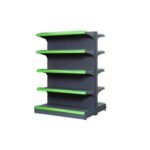
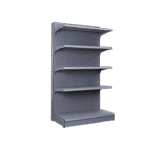
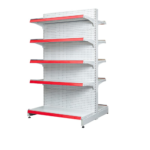
 Peg Board Wall Shelving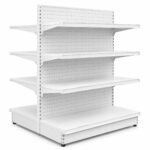
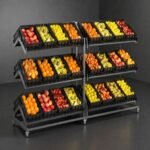
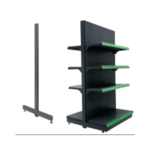 Low Gondolas
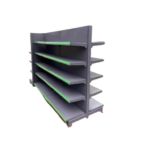 High Gondola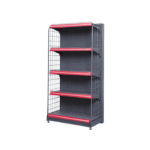
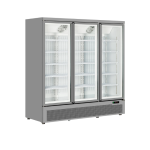
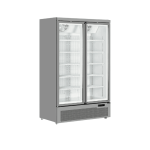
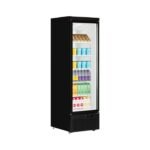 Glass Door Display Freezers
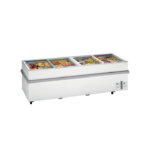 Glass Lid Chest Freezers

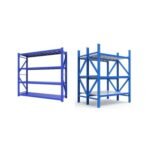
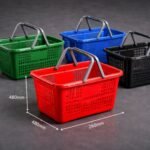
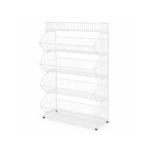
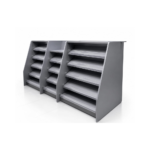
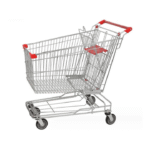
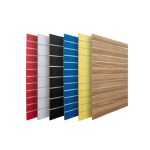
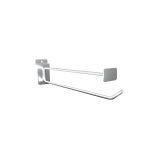 Slatwall Hooks



Shop Shelving UK: Practical Retail Shelving & Display Solutions


Good shelving can completely change the way a shop feels. When products are neatly arranged, customers can find what they need more easily, staff can restock without hassle, and the available space is used much more effectively.
For a new shop, refurbishment or complete retail fit-out, choosing the right shelving is an important part of the planning process. Different businesses have different requirements, so a convenience store may need a different setup from a pharmacy, supermarket or specialist retailer.
From gondola shelving and wall-mounted displays to end bays and adjustable shelves, there are plenty of ways to build a practical retail display around your products and floor plan.
What Makes Good Shop Shelving Important?
Shop shelving needs to do more than simply hold products. It should make the store easy to navigate and give customers a clear view of the items available.
Well-positioned shelves can help you:
- Keep different product categories organised
- Make better use of floor and wall space
- Keep products within easy reach
- Create clear shopping aisles
- Make stock replenishment easier
- Adapt displays when your product range changes
A well-planned layout also prevents the shop from feeling overcrowded, which is particularly important when working with limited floor space.
Which Type of Retail Shelving Should You Choose?
The right shelving depends on what you sell and how much space you have. Some stores need tall shelving for maximum capacity, while others benefit from lower units that maintain open sightlines.
Common options include gondola shelving, wall shelving, end displays, low-level units and adjustable retail shelves.
Rather than choosing one style for the whole shop, many retailers combine several types to create a more practical layout.
Why Is Gondola Shelving a Popular Choice?
Gondola shelving is especially useful for creating central aisles. Because the units can be double-sided, products can be displayed on both sides while customers walk between the shelving runs.
Individual bays can be joined together to create longer sections, making the system suitable for both small independent shops and larger retail environments.
Another advantage is flexibility. Shelves can usually be adjusted to accommodate different product sizes, while additional bays can be added when more display space is needed.
When Is Wall Shelving a Better Option?
Wall shelving is a simple way to make use of the perimeter of your shop. It keeps products organised without taking up as much central floor space.
It can be useful for groceries, household items, hardware, pharmacy products, accessories and many other retail goods.
Wall shelving also works well alongside gondola units. The combination allows retailers to use the walls and central areas of the store rather than relying entirely on one type of display.
Is Low-Level Shelving Useful for Smaller Stores?
Yes. Low shelving can be particularly useful where maintaining visibility across the shop is important.
Because the units are lower, customers can often see beyond one display area to another. This can make a smaller store feel less enclosed and help staff maintain a better view of the retail floor.
Low gondola units can also be useful for selected product categories where customers need quick and convenient access.
When Should You Consider High Gondola Shelving?
High gondola shelving is useful when you need to maximise the amount of stock displayed without using additional floor space.
The vertical space of a shop is often overlooked, particularly in smaller premises. Taller units can provide additional shelf levels and increase product capacity.
However, not every product needs to be placed at the highest level. Everyday items should remain easy to reach, while less frequently accessed products can be positioned higher where appropriate.
How Can Retail Shelving Help Organise Your Store?
A clear shelving arrangement makes it easier for customers to understand where products are located.
For example, similar products can be kept together, larger categories can have their own sections, and frequently purchased items can be positioned in convenient areas.
This also helps staff. When every product has a defined place, restocking becomes quicker and it is easier to identify gaps on the shelves.
Can Adjustable Shelves Make a Difference?
Absolutely. Retail products come in many different shapes and sizes, so fixed shelf positions are not always practical.
Adjustable shelves allow you to change the height between levels as your stock changes. You might need more space for larger packaging one month and smaller products the next.
This flexibility is one of the reasons modular shelving is useful for retailers with changing product ranges.
What Are End Bay Displays Used For?
An end bay sits at the end of a shelving run and provides another useful display area.
Because customers often notice the ends of aisles as they move around a shop, these spaces can be used for selected products, seasonal stock or items that you want to make particularly easy to find.
End bays can also help complete the appearance of a shelving run rather than leaving an unused space at the end.
What Should You Check Before Buying Commercial Shelving?
Before ordering shelving, take some time to look at the practical requirements of your shop.
How Much Space Do You Have?
Measure the available floor and wall space carefully. Remember to allow room for customers, staff and any other shop equipment.
A shelving system may look suitable on paper but become impractical if it leaves narrow or awkward walkways.
What Products Will You Display?
Think about product dimensions, weight and packaging. A small cosmetic product has very different shelving requirements from large household goods or heavy retail stock.
Choose shelves that are appropriate for the type and quantity of products you intend to display.
How Often Will Your Layout Change?
If you regularly introduce new products or change your displays, flexibility becomes more important.
Adjustable and modular systems make it easier to change shelf positions or add new sections when required.
Do You Need Wall and Freestanding Units?
Many stores benefit from using both. Wall shelving can make use of perimeter space, while freestanding gondola units can create organised central aisles.
Using both types can give you more options when planning the overall shop layout.
Which Businesses Use Retail Shop Shelving?
Retail shelving is suitable for a wide range of businesses.
It is commonly used in:
- Convenience stores
- Supermarkets
- Independent shops
- Pharmacies
- Forecourts
- Mini markets
- Hardware stores
- Discount shops
- Specialist retailers
- General stores
The configuration can be adapted according to the products, customer traffic and available space.
How Can You Create a Better Product Display?
Start with organisation rather than simply trying to fill every shelf.
Group related products together and keep popular items in easy-to-reach positions. Avoid overcrowding the shelves, as customers need enough visual space to identify individual products.
You can also use different shelving heights to create clear sections while keeping the overall layout consistent.
The aim is to make the store easy to understand without making it feel cluttered.
Is Modular Shelving a Good Long-Term Choice?
For many retailers, modular shelving is a practical long-term option because the layout does not have to remain fixed.
If the business grows, additional bays can be introduced. If a product category becomes smaller, the available space can be reorganised.
This makes modular systems particularly useful for businesses that expect their stock range or store layout to change over time.
Can Shelving Be Combined With Other Shop Fittings?
Yes. Shelving is often only one part of a complete retail fit-out.
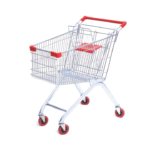
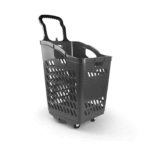
Depending on the business, it can be used alongside shopping baskets, trolleys, slatwall displays, counter units and other retail equipment.
Planning these elements together helps prevent the shop from becoming overcrowded and makes it easier to create a consistent customer route.
Where Can You Find the Right Shelving for Your Shop?
When choosing a supplier, look beyond the appearance of the shelving. Check the available sizes, configurations, accessories and adjustment options.
It is also worth considering whether the system can be expanded later. This can save time and money if you need additional display space in the future.
shop solutions midlands ltd offers retail shelving and shop fitting solutions for businesses looking to make better use of their commercial space.
How Can You Make Better Use of a Small Shop?
Small shops need careful planning because every metre of floor space matters.
Using wall shelving can make better use of perimeter areas, while compact gondola units can provide central display space without dominating the store.
Vertical space can also be useful, but taller shelves should be positioned carefully so the shop remains comfortable and easy to navigate.
The key is finding the right balance between stock capacity and customer space.
What Makes a Retail Shelving System a Good Investment?
The best shelving is practical for your products, strong enough for everyday use and flexible enough to accommodate changes.
It should help you organise stock without making the shop difficult to navigate. Adjustable shelves, modular components and compatible accessories can provide additional flexibility as your business develops.
Good shelving should ultimately make your retail space easier to manage while giving customers a straightforward shopping experience.
Why Should You Plan Your Shelving Before Your Retail Fit-Out?
Shelving affects almost every part of a shop layout. It influences where customers walk, where products are displayed and how much stock can be accommodated.
Planning it early gives you the opportunity to measure the available space properly, consider customer movement and decide which combination of wall and freestanding displays will work best.
Whether you are opening a new store or updating an existing one, taking time to plan the shelving can help you create a cleaner, more practical and easier-to-manage retail environment.

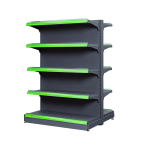
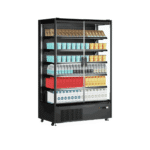
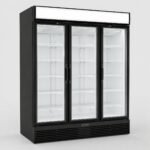 Glass Door Display Freezers