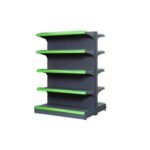
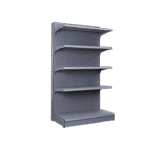
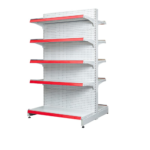
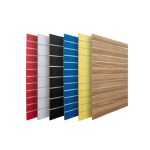
 Peg Board Wall Shelving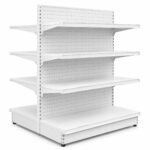
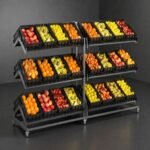
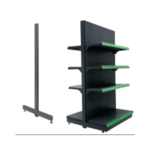 Low Gondolas
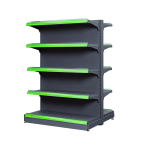
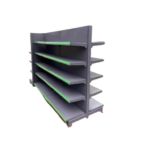 High Gondola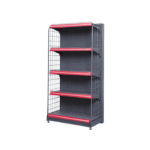
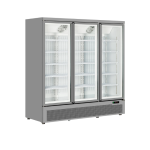
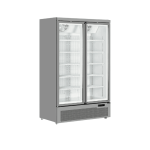
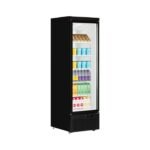 Glass Door Display Freezers
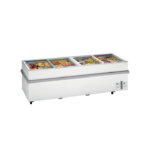 Glass Lid Chest Freezers

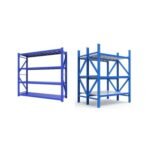
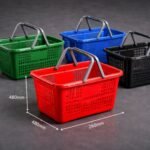
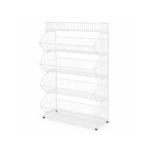
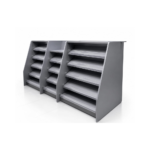
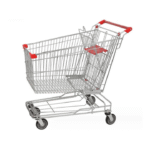
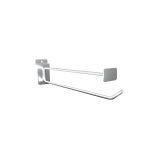 Slatwall Hooks



Retail Display Shelving & Commercial Shop Display Units


A well-organised shop can make a big difference to the way customers browse and buy. When products are easy to see, reach, and compare, the whole shopping experience feels more straightforward. Good shelving also helps you make the most of the space you already have, without filling the shop with bulky fixtures.
Whether you’re running a convenience store, supermarket, independent retailer, pharmacy, clothing shop, or specialist outlet, your shelving needs to work around your products and your premises. The right setup gives you useful storage while keeping aisles open and the shop looking tidy.
What is the best retail display shelving for a small shop?
For a smaller shop, adjustable shelving is often a practical choice because it lets you use both wall and floor space efficiently. Compact bays, wall units, and double-sided displays can add storage without making the sales area feel cramped.
The key is to think about how your customers move around the shop. You don’t want shelves packed so tightly that people have to squeeze past one another. A sensible layout, combined with adjustable shelf heights, gives you room to display different products while keeping the store comfortable.
How do I choose the right commercial display shelves for my retail store?
Start with the basics: how much space do you have, what products are you selling, and how much stock needs to be displayed? These three things will usually guide the type, size, and configuration of shelving you need.
Heavy products call for strong, dependable shelves, while smaller and lighter goods can be displayed on more compact units. You should also consider shelf depth and height. There’s little point in choosing deep shelves if your products only need a small amount of display space.
It’s also worth thinking ahead. Product ranges change, businesses grow, and store layouts sometimes need a refresh. Adjustable and modular systems make those changes much easier.
Are modular retail display shelving units easy to adjust and assemble?
Yes, modular shelving is designed with flexibility in mind. Individual bays can be assembled to suit the available space, while shelves can usually be moved to different heights as your products change.
This is especially handy for retailers with a mixed product range. One shelf might hold small packaged goods, while another needs more clearance for taller items.
Extension bays can also be added when more display space is needed. Instead of starting from scratch, you can build on the existing arrangement and expand the shelving as the shop develops.
What types of retail display shelving are best for maximizing store layouts?
There isn’t one shelving style that works for every shop. Wall-mounted units are useful for making the most of perimeter space, while double-sided gondola shelving works well in the centre of a sales floor.
Corner units can make use of areas that might otherwise be wasted. For specialist products, dedicated display stands may provide a better presentation than standard shelves.
Many retailers combine several types. For example, wall shelving can handle one side of the store, while central gondola units create clear aisles and separate different product categories.
How can shop shelving improve product organisation?
Good shelving gives products a proper place instead of leaving stock scattered around the store. You can arrange goods by category, size, brand, or how customers typically shop for them.
This makes life easier for staff, too. When every section has a clear purpose, restocking becomes quicker and it’s easier to spot when something is running low.
Customers benefit from this organisation as well. If related products are displayed together, people can find what they’re looking for without wandering around the shop.
Why are adjustable shelves useful for commercial stores?
Retail stock isn’t always the same size. One product may need plenty of vertical space, while another can fit neatly into a much smaller gap. Adjustable shelves allow you to change the spacing rather than wasting valuable room.
They’re particularly useful for shops with seasonal stock or frequently changing product ranges. Shelves can be moved when needed, giving you a little more freedom to change the display without replacing the entire unit.
Over time, that flexibility can make a shelving system much more practical than a fixed arrangement.
Can commercial shelving be used for different retail environments?
Absolutely. Commercial shelving can be used in all sorts of retail settings, from supermarkets and convenience stores to pharmacies, hardware shops, warehouses, and independent stores.
The ideal setup depends on what you’re selling and how customers use the space. A grocery shop may need long shelving runs with plenty of stock capacity, whereas a boutique or specialist retailer might prefer shorter displays with more attention on presentation.
You can also mix different bay widths, shelf depths, and configurations to create a layout that fits your premises rather than trying to force your shop around a standard design.
How should a retail store plan its shelving layout?
Before installing anything, measure the available floor and wall space carefully. Take note of doors, entrances, counters, columns, and other fixed features that could affect where units can go.
Then think about customer movement. Main walkways need to remain comfortable, while less-used areas can sometimes accommodate additional displays.
It’s a good idea to group related products together, too. This creates a natural flow through the shop and makes individual sections easier to understand.
Don’t forget the staff. There should be enough room to restock products without blocking customers or creating unnecessary obstacles.
What should retailers consider before buying shop display units?
Look beyond the appearance of the shelving. Durability, dimensions, shelf capacity, adjustability, installation, and future expansion are all important.
Think about what the shelving will hold every day, not just how it looks when it’s empty. A strong and well-planned system should cope with regular use while keeping products secure and accessible.
It’s also worth checking whether extra bays, shelves, hooks, or other accessories can be added later. That flexibility can be useful if your stock range grows or you decide to change the layout.
For UK retailers, shop solutions midlands ltd offers commercial shelving options for different shop layouts and retail requirements.
Create a Shop Layout That Works
Your shelving should make the shop easier to run, not harder. With the right combination of storage capacity, product visibility, and clear walkways, even a limited space can be put to good use.
Take the time to understand your products, measure the available area, and plan how customers will move through the store. A flexible shelving setup gives you more freedom to change displays, add stock, and adapt the layout when your business needs change.
In the long run, a practical shop layout isn’t just about fitting more products onto shelves. It’s about creating a store that’s comfortable for customers, manageable for staff, and ready to grow with the business. Read more: Vape Display Cabinet
FAQs
What type of shelving is best for a retail shop?
Can I expand my shop shelving later?

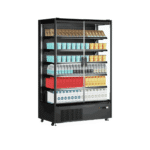
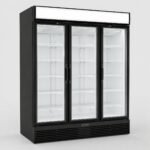 Glass Door Display Freezers