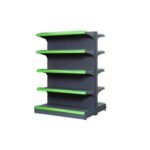
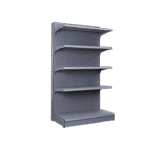
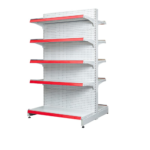
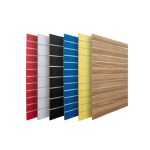
 Peg Board Wall Shelving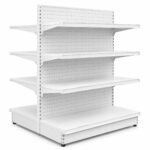
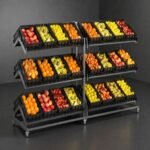
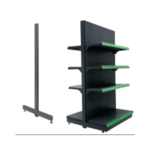 Low Gondolas
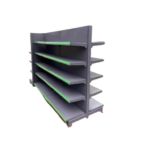 High Gondola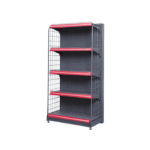
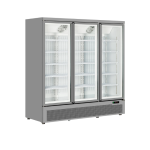
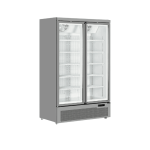
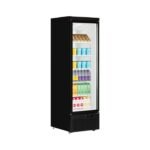 Glass Door Display Freezers
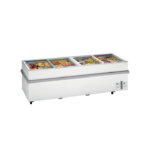 Glass Lid Chest Freezers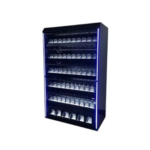

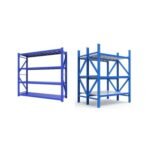
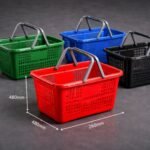
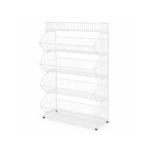
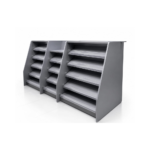
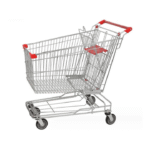
 Slatwall Hooks



Best Freezer to Buy in UK: A Complete Guide for Shop Owners

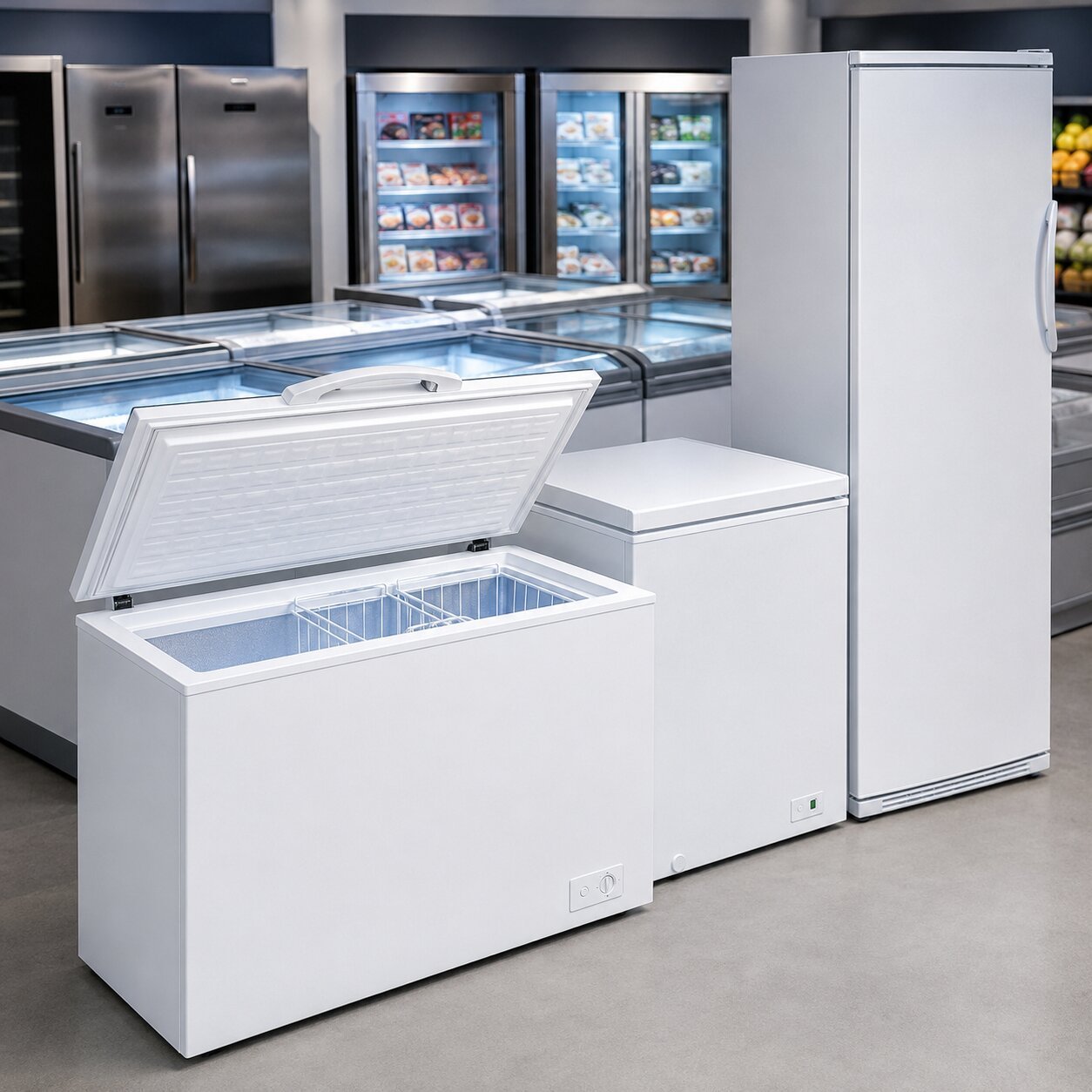
The right freezer for a UK retailer depends on the available floor space, the amount of stock, and how customers move through the shop. For many convenience stores and independent retailers, a combination works best: an upright display freezer near the entrance, with a chest freezer out back for bulk frozen goods. A small corner shop may manage perfectly well with one glass-door upright cabinet. A larger supermarket branch, on the other hand, might require a full multi-deck freezer run, along with separate cold storage for ice cream and frozen ready meals. Refrigeration and freezer cabinets, chiller units, and cold room storage each serve a somewhat different purpose, depending on the retail sector. This is a frequent concern for retailers in Burton Upon Trent and throughout the Midlands, where premises range from compact high-street shops to spacious out-of-town retail sheds. Shop Solutions Midlands designs, supplies, and installs made-to-measure retail equipment, from freezers and shelving to counters, for precisely these varied spaces.
Types of Freezers for UK Shops
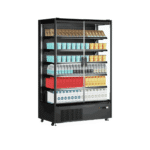
Retail freezers usually come in a few main types, and the best choice depends first on how customers shop. Chest freezers do the heavy lifting in the frozen aisle: they hold a lot, retain temperature well, and work especially well for bagged goods, frozen vegetables, and bulk items that shoppers do not need to view at eye level. For ice cream, pizzas, and frozen snacks meant for quick pickup, upright display freezers—often equipped with glass doors—make more sense. Customers can see what is available without opening the door and releasing cold air. Multi-deck freezers fall between those two options. Their open-front shelves resemble gondola shelving, but the units remain temperature-controlled, which is why supermarkets often use them for a broad selection of frozen produce.
Beyond the freezer, retailers usually combine this equipment with other fixtures: chiller cabinets for dairy products and drinks, along with standard gondola shelving or pegboard displays for nearby ambient stock. In a well-planned frozen section, an end-cap unit at the aisle entrance can draw attention to seasonal or promotional lines. The right combination depends largely on the type of retail business. Convenience stores often favour compact upright units, whereas larger supermarkets invest in longer multi-deck runs supported by dedicated base units for stability.
Independent retailers may assume one freezer style will meet every need, yet a mix of formats is often more practical. A butcher’s shop, for example, could keep bulk meat in a chest freezer while placing pre-packed products at the counter in a smaller upright model with a glass door. Planning that combination is the sort of thing a good retail equipment supplier should help with before you buy.
Freezer Sizes and Capacity: What Fits Your Store
Freezer sizing depends on the floor area available, the height of the ceiling, and the amount of stock you need to store at a given time. A compact upright model may be about 600mm wide and 1900mm tall, which allows it to fit neatly into a small shop’s tight corner. By contrast, larger commercial chest freezers can exceed 2000mm in length and provide several cubic metres of internal capacity. Multi-deck units are generally sold in bay sections, similar to modular shelving. As your stock range expands, you can add bays to lengthen the run instead of replacing the entire unit.
Height matters as much as width in shaping the customer experience. If a freezer is too tall, it can obstruct sightlines across the shop floor, interrupting customer flow and making the store seem cramped. Units around 900mm to 1200mm high usually preserve visibility while still providing decent capacity. Internal capacity is generally measured in litres; a mid-range chest freezer for a convenience store may hold anywhere from 400 to 600 litres, typically enough for a rotating stock of frozen essentials without excessive energy use.
Compare the freezer’s capacity with your real footfall and delivery schedule before buying the largest model available. A shop that receives frozen stock twice a week will not need as much space as one dependent on a single weekly delivery. An oversized freezer only raises running costs and takes up floor space that could be used for shelving or a shopping basket stand.
UK Regulations and Safety Standards for Retail Freezers
In the UK, retail freezers must meet the food safety and energy efficiency standards established by food hygiene regulations. Most commercial units are required to keep frozen goods at minus 18 degrees Celsius or below. Shopfitters and equipment suppliers should be able to confirm that each freezer cabinet they supply has the appropriate certification, including CE or UKCA marking, and complies with F-gas rules governing refrigerant types. Retailers are also expected to maintain temperature logs within their food safety management system. Most modern freezer units make this easier with built-in digital displays.
Beyond food safety, standard shopfitting requirements matter as well, especially those covering electrical safety and fire regulations. Freezer units require sufficient ventilation behind and around the cabinet so they do not overheat, while aisles in frozen-food sections need to be wide enough for customers to move safely and staff to restock. Working with an experienced shop shelving supplier near Burton Upon Trent can help here: familiarity with common local shop layouts may prevent costly compliance problems after installation.
Energy labelling has become a more prominent consideration in UK retail. Freezers are given an energy-efficiency rating, and selecting a well-rated model can cut running costs noticeably over time. That can matter to independent retailers, whose margins are tighter than those of larger supermarket chains.
How the Right Freezer Improves Store Layout and Customer Experience
Where the freezer goes, and how it looks, can shape the store’s layout more than many retailers anticipate. A freezer run placed in the right position can steer shoppers through the store without making the route feel forced, taking them past higher-margin products before they reach the frozen aisle. Upright models with glass doors serve another purpose too: customers can see the stock, while a clean chrome or powder-coated frame helps give the shop a more professional appearance.
For retailers in Burton Upon Trent and throughout the Midlands, many of which operate from older, smaller units, getting the layout right matters a great deal. A retail equipment supplier familiar with local shop footprints can position freezers alongside gondola shelving and end cap displays, making the most of available storage without sacrificing walkway space. Place them poorly, though, and freezers may create bottlenecks around the tills or obscure natural sightlines to promotional displays.
Customer experience improves when frozen sections look orderly instead of cluttered. Freezer cabinets that match nearby shelving—through a steel frame or coordinated colour scheme—help the shop floor feel more cohesive. Those details can make the difference between a well-run, modern store and one that feels dated, even when both carry a similar range of stock.
Technical Specifications: Dimensions, Materials, and Build Quality
Build quality is often where cheaper freezers show their weaknesses over time, which makes the construction details worth examining. For durability, most commercial freezer cabinets have a powder-coated steel exterior and a stainless steel or chrome interior liner designed to resist corrosion caused by moisture and frost build-up. The door seals and gaskets also need a close look: if they do not fit tightly, the compressor has to work harder, significantly increasing energy costs over the freezer’s lifespan.
Dimensions differ by category. A standard commercial chest freezer is commonly 1000mm to 2000mm long, 600mm to 750mm deep, and about 850mm high, providing staff with a reasonably ergonomic reach-in depth. Upright display freezers tend to be narrower, usually measuring around 600mm to 700mm wide per bay. Multiple bays can be joined in a run, much like modular gondola shelving, to form a continuous frozen aisle.
Compressor placement has a bearing on long-term reliability, too. In busy retail settings, top-mounted compressors are usually easier to service and less likely to accumulate dust than bottom-mounted models. A strong warranty and easily accessible components can prevent considerable trouble later, especially for shops that cannot afford lengthy downtime when frozen stock is at risk.
Advantages of Buying and Fitting Freezers in Bulk
Retailers refitting a whole store or opening several branches can save considerably by ordering freezers in bulk with their shelving and counters. Wholesale freezer price UK rates are usually unavailable for single-unit purchases, while a larger order also helps ensure that the freezers, chillers, and shelving bays match in finish and size, giving the shop a consistent, professional appearance. Anyone planning to buy freezer online in bulk should ask for a combined quote covering supply and fitting. In many cases, that costs less than arranging the equipment and installation separately.
Shop Solutions Midlands presents itself as one of the Midlands’ leading retail equipment suppliers by taking care of the entire process. It supplies and fits freezers, gondola shelving, shop counters, and storage racks as one package, which is especially helpful for retailers in Burton Upon Trent and across Staffordshire. Rather than coordinating several contractors, they can work with a shop shelving supplier near Burton Upon Trent that visits the premises, takes measurements, and installs the equipment.
For independent shop owners looking for an affordable freezer without giving up build quality, ordering in bulk with other fixtures often works out better than buying items one at a time. If you are planning a complete refit or need freezers in bulk for a rollout across several stores, choosing a UK supplier that also handles fitting and understands retail spaces can save time and money.
Conclusion
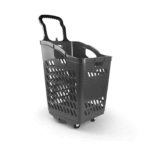
The right freezer for a UK shop depends largely on the size of the premises, the range of stock, and the available layout. A small convenience store may need a compact upright unit, while a larger supermarket branch could be better suited to a full multi-deck run. For shop owners in Burton Upon Trent and across the Midlands, this guide has set out the main points to consider before making a purchase. Shop Solutions Midlands provides the option to buy freezer equipment online or in person, with supply and fitting arranged together. Current offers are also available for retailers seeking a quote that includes freezer equipment and shelving as part of a complete store refit. Read more: Shopping Baskets
Frequently Asked Questions
What is the best type of freezer for a small convenience store?
How much does it cost to buy a commercial freezer in the UK?
Does Shop Solutions Midlands deliver and fit freezers outside Burton Upon Trent?
What size chest freezer do I need for a small shop?
Can I order a freezer and shop shelving together as one package?
What UK safety standards apply to retail freezers?
Is a display freezer or a chest freezer better for frozen ready meals?

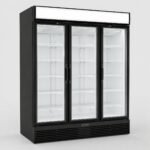 Glass Door Display Freezers