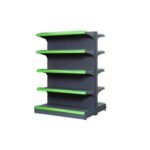
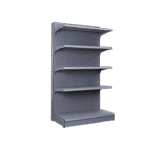
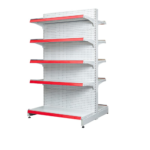
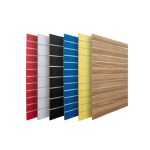
 Peg Board Wall Shelving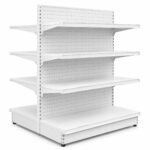
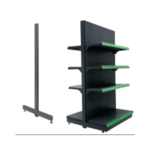 Low Gondolas
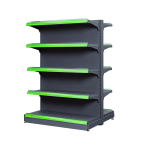
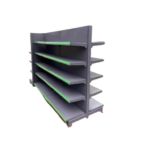 High Gondola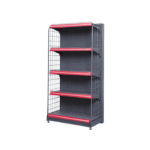
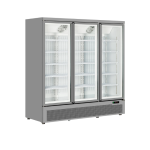
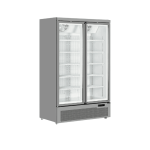
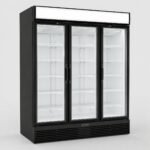
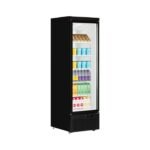 Glass Door Display Freezers
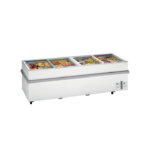 Glass Lid Chest Freezers
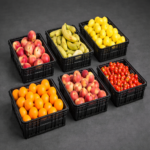
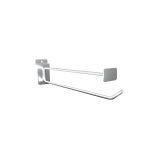 Slatwall Hooks



How Many Shopping Baskets Does a Shop Need? A Complete Guide for UK Retailers

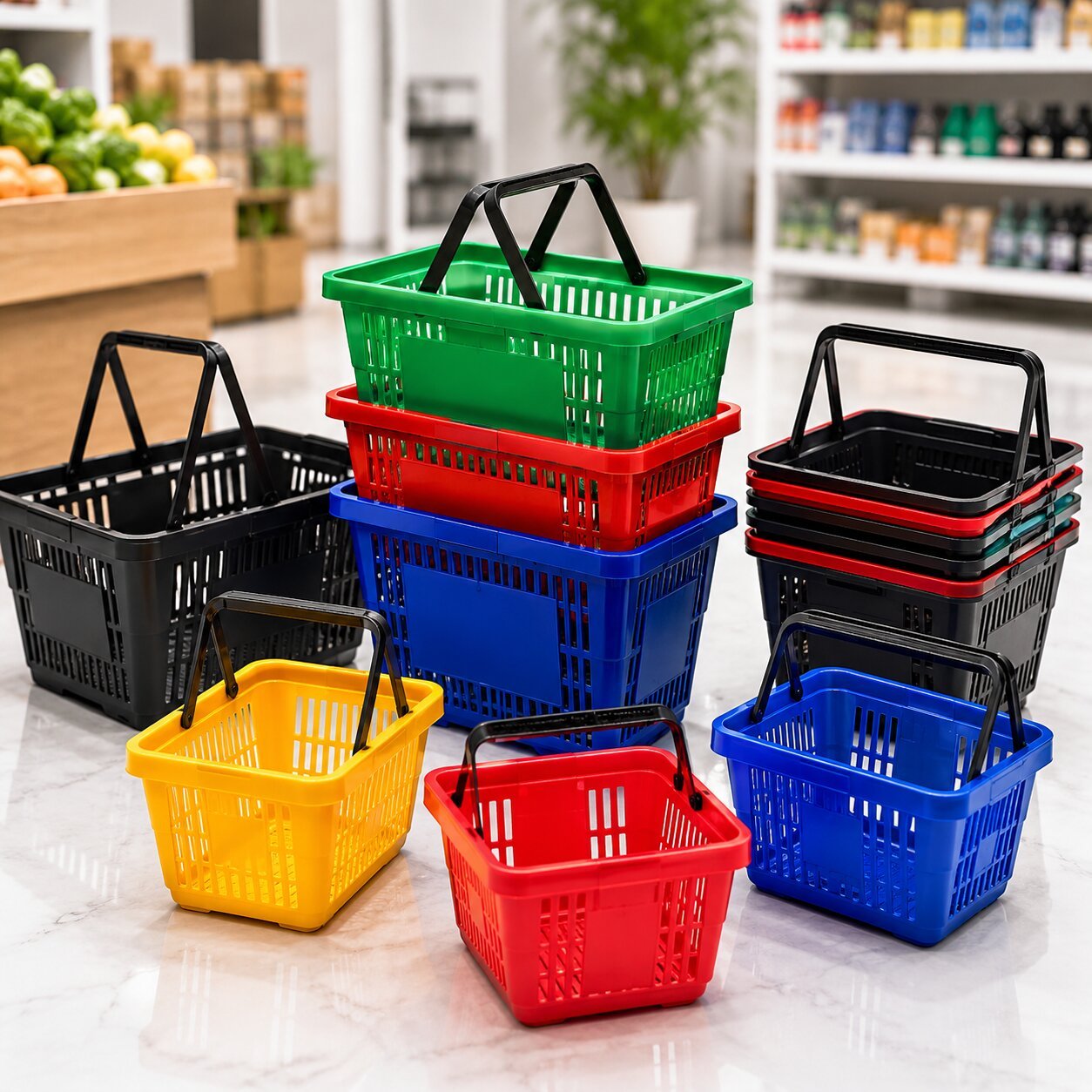
The majority of small to medium retail stores require somewhere between 20 and 40 shopping baskets; larger supermarkets and cash-and-carry outlets usually need well over 100 to keep enough in circulation at any one time. The actual number will really depend on your footfall, your floor space, and the type of retail environment you’re running independent convenience store on a high street will need far fewer than that of a busy supermarket with multiple checkout points and wide aisles designed around gondola shelving and end cap displays. A farm shop with a strong focus on fresh produce may need smaller hand baskets; a discount retailer who’s a high stock mover will likely need stacking baskets and trolleys to push customers through the store. This is a question we hear often from retailers across Burton Upon Trent and the wider Midlands — and it’s one that Shop Solutions Midlands helps answer every day. Since we supply and fit custom retail equipment for shops of every size across the UK.
What Types of Shopping Baskets Are Available for UK Shops
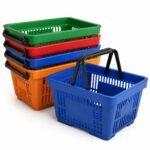
Shopping baskets really do vary more than you might think from the simple plastic hand-carried basket. Warehousing hand-carry baskets made of tough polymer with handles designed to take years of use are still the most popular choice for convenience stores and small supermarkets. Many other types are available, however, to suit different types of store and size of premises.
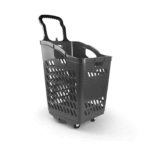
For example, there are chrome or powder-coated steel wire baskets for shops that want something more up-market at the entrance to the shop or near the checkouts and that go with the gondola shelving and storage rack finishes in the store; stacking ones particularly useful where there is little backroom space; and even baskets on wheels which are a halfway house between hand baskets and full shopping trolleys for customers doing a slightly larger shop.
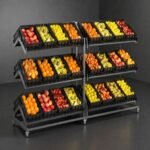
A lot of retailers also consider color-branded baskets which match their shopfitting scheme, or baskets with built-in dividers for stores that sell fragile or mixed goods such as off-licenses and delis. Peg board displays, fruit and vegetable stands, and shelving bays can all be shopped without feeling weighed down before the till. Whatever the format, the goal is to help shoppers easily browse peg board displays, fruit and vegetable stands, and shelving bays.
Sizes, Capacities, and Quantities Explained
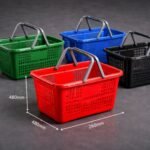
This is an area where a lot of shop owners get caught out because a basket that looks fine in a catalogue photo might be too small or too bulky once it’s sitting in your actual aisle width. Typically, standard hand baskets measure around 435mm in length, 310mm in width, and 240mm in height, giving a capacity of roughly 20 to 25 litres, which suits most convenience-store shopping trips. Larger format baskets can stretch closer to 500mm in length with capacities pushing 30 litres or more – better suited to supermarkets where customers are doing a fuller shop but haven’t yet picked up a trolley.
Quantity planning usually relates to a general estimate based on customer footfall and dwell time. For example, a shop with fast service and quick small transactions can work with a smaller basket count constantly rotating, a store with longer browsing times, wider aisles, and more shelving bays needs a larger buffer of baskets so no customer has to wait at the entrance. Many retailers in Burton Upon Trent and across Staffordshire pair basket numbers with their gondola end cap layout and that gives a much clearer picture of how many baskets are really needed in peak hours.
Regulations and Safety Standards for Retail Equipment in the UK
Baskets themselves do not attract heavy regulation as do structural shelving or racking systems. However, UK retailers still have to consider general health and safety obligations under workplace regulations, particularly in respect of trip hazards around entrances and checkout areas. Baskets left in walkways can really be a hazard, especially in stores with tighter floor plans, so many shopfitters would recommend basket stack points that tie in with the wider store layout design, rather than leaving baskets scattered near shelving bays.
Materials count for a lot here, too. Steel and chrome-finished baskets should be free from sharp edges or corrosion, especially in stores that handle fresh produce, where hygiene standards are more strictly enforced. Any retail equipment supplier who fits baskets, racks, or shelving into a store in the UK should know the basic British Standards guidance around retail fixtures; a reputable supplier and fitter will always talk shop owners through these considerations before installation — not after.
How Shopping Baskets Affect Store Layout and Customer Experience
People tend to overlook how influential the placement of a basket stack can be on the customer journey within a store. Placing it near the doorway, adjacent to the first run of your gondola shelving, will prompt customers to take it as they begin their browsing, rather than doubling back for it, and this makes a huge difference to the flow of customers within the store. In shops around Burton Upon Trent and the Midlands, we have seen how the right placement of a basket point near the display of fruits and vegetables can actually increase the size of the basket, simply because people are more likely to keep adding items once they have something in hand.
Branding plays a role too. Many independent retailers overlook in favor of focusing purely on shelving and counters. Colour-matched baskets that echo your shopfront or shelving scheme will therefore go a long way toward reinforcing a sense of consistency throughout the store. A thoughtful retail equipment supplier will take this into account and plan basket placement as part of the wider store layout design, not as something separate from the shelving and storage racks that can be added later as an afterthought.
Technical Specifications, Materials, and Finishes
From a technical perspective, most commercial shopping baskets are made in one of two material families: moulded polymer or steel wire construction. Polymer baskets are appreciated for their light weight, easy cleaning, and resistance to the kind of daily abuse near checkout counters, while steel wire baskets, usually chrome-plated or powder-coated, offer a more robust feel that some retailers prefer for a higher quality in-store perception. More importantly, powder-coated finishes tend not to scuff so much and, besides, they come in a variety of colors to match the already existing shelving or counter units.
Design of the handles is the other detail to consider because dual-handle baskets help distribute weight more evenly, reducing strain during more extended shopping trips. Capacity is generally measured in liters, with most standard baskets sitting between 20 and 30 liters, although larger stacking versions for stores that want fewer basket-to-trolley transitions can exceed this. Base reinforcement also matters, particularly for stores that stack baskets several units high in a backroom or near a storage rack, since a weak base point can shorten a basket’s working life considerably.
The Advantages of Buying and Fitting Shopping Baskets in Bulk
For shopfitters looking to do a full shop refit or open a new store, the general rule is that it will be more cost-effective to order shopping baskets in bulk at the same time as shelving, counters, and storage racks. This is because wholesale shopping basket prices in the UK generally reduce quite significantly with higher order volumes. A shop owner therefore stands to save much more by buying in bulk as compared to making small purchases throughout the year. This is usually the first question asked by retailers looking to purchase shopping baskets, whether online or in person, and therefore the first point of discussion when a shop owner requests a quote.
Apart from pricing, making an order in large amounts through one shop shelving supplier near Burton Upon Trent simplifies the whole process of logistics because just about everything, from gondola bays to peg board fittings and basket stacks, can be delivered and fitted in one organized visit instead of several separate and different deliveries. Shop Solutions Midlands has gained a name as an affordable retail equipment supplier for shops in the Midlands because we take care of both the supply and the fitting parts of the process; this means that we relieve the shop owners from the installation work of the steel racking or the basket stack points. If you are considering whether now is the time to order shopping baskets in bulk, getting a quote costs zero and sometimes shows savings that make the decision easier.
Conclusion
So, what is the right number of shopping baskets for your store? Most convenience stores would require somewhere between 20 and 40, while larger supermarkets have a requirement of at least over 100 to be in circulation. This has been a guide that took you through the types, sizes, regulations, and layout considerations forming that number, so that the shop owners in and around Burton Upon Trent and the Midlands could take a more informed decision before purchasing. If you are, Shop Solutions Midlands gives you an easy way to get a quote for shopping baskets and wider shopfitting equipment, with special bulk-order discounts currently available for shops pre-ordering ahead of a refit or new opening. Read more: fruit and vegetable display stand
Frequently Asked Questions
How much do shopping baskets cost to buy in bulk in the UK?
Does Shop Solutions Midlands deliver and fit shopping baskets outside Burton Upon Trent?
What's the difference between a shopping basket and a shopping trolley?
Can I order shopping baskets online through Shop Solutions Midlands?
What material is best for shopping baskets in a busy retail store?
Are there UK regulations around shopping basket placement in stores?
How do I get a quote for shopping baskets and shelving together?
 Glass Door Display Freezers