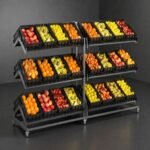
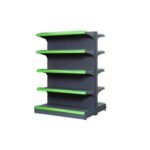
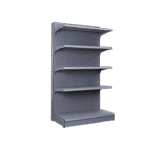
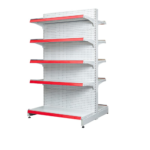
 Peg Board Wall Shelving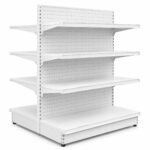
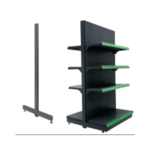 Low Gondolas
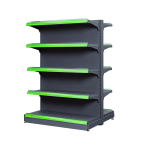
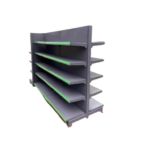 High Gondola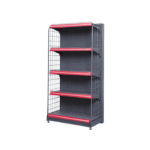
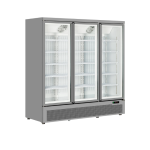
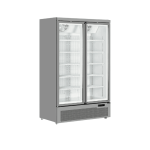
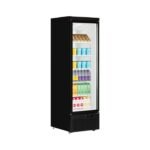 Glass Door Display Freezers
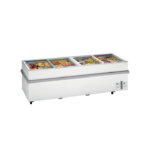 Glass Lid Chest Freezers
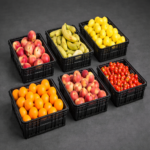
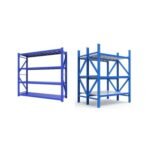
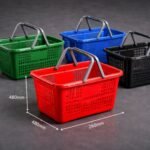
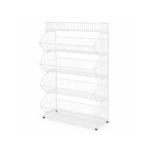
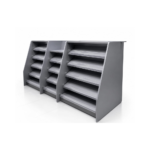
 Slatwall Hooks



Retail Shelving Dimensions UK – Choose the Right Size for Your Shop

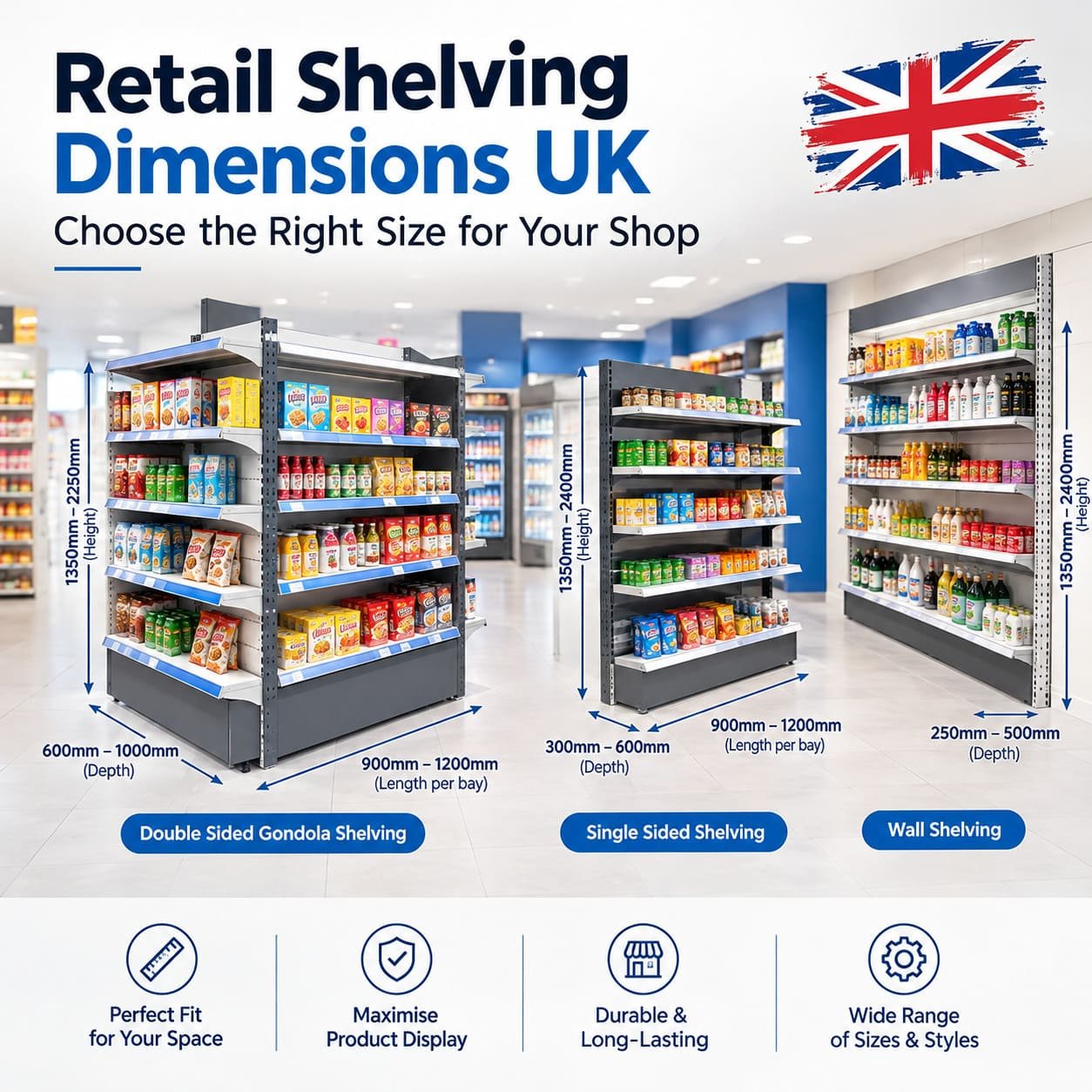
When it comes to shelving, the right balance can make a big difference to your shop. Too high shelves could mean you waste valuable space and too small shelves could mean your products are difficult to show. The right balance makes the shop tidy, products are easier to find and customers have more room to look around.
No matter if you run a convenience store, a supermarket or a small independent shop, it’s worth spending some time getting your shelves exactly right. Retail shelving has different heights, widths and depths, so you can choose the one that’s right for your products and space.
What Are the Standard Retail Shelving Dimensions in the UK?
There is no one size that works best for every shop shelf. The sizes you need will depend on the layout of your shop, the products you sell and how much space you need to display your products.
Generally, most shelving units in retail stores should be in the range of costs described below.
- Height: 1,200mm to 2,400mm.
- Width: 600mm to 1,250mm per shelf bay.
- Depth: 300mm to 600mm.
These measurements are a guideline and not guaranteed UK levels. Depending on the shelving range you choose, there may be smaller options and extra capacity available for larger units. Please check with your shelving suppliers to see exactly what is required before you order.
Sleek shelves will give you space for smaller stock. In a larger store, bigger shelves may give you more space to display the stock you have instead of spread across the shop.
How Do You Choose the Right Shelf Depth?
Shelf depth is important for both product display and the amount of room customers have to walk. You want your products to have plenty of room to move around so your store doesn’t feel cramped.
For smaller items such as cosmetics, sweets and stationery, shelves could be 300mm to 350mm deep. A depth of 400mm to 450mm will be sufficient for many everyday products such as packaged food, toiletries and household goods. Larger items may need shelves measuring 500mm to 600mm deep.
The right size for you will depend on what you sell, of course. Measure your products before making a decision and consider how easy customers can access items at the back. If you only need the extra space for a couple of items, why go for deeper shelves?
Which Shelving Height Should You Choose for Your Shop?
The right shelving height can depend on the layout of your store and the way you want customers to shop. Lower shelves can open up the space, while higher shelves have more room for displays.
For instance, shelving from 900mm to 1,200mm high is ideal for displays and areas where you need to keep sightlines clear. Units between 1,200mm and 1,800mm are practical for many independent retailers. Taller shelving in the area of 1,800mm to 2,400mm may be appropriate for supermarkets, bigger shops and stockrooms.
You might also like to consider whether customers can reach the items in a tall unit. Make sure staff are able to carry them safely. Be sure to follow the manufacturer’s directions on how to mount the shelving.
Of course, it’s not all about fitting in as many shelves as possible, but ensuring your shop has a design that works well for your products, your staff and your customers.
What Sizes of Retail Shelving Are Best for Each Store?
Each shop has its own requirements and so it is worth choosing shelving around your products rather than buying units by size alone.
What Shelving Is Recommended for Convenience Stores?
Convenience stores have limited floor space, but will need to stock a wide range of everyday essentials. Shelves that are 300mm to 450mm deep are ideal for snacks, toiletries and packaged goods. Adjustable shelves are also handy as you can adjust the spacing when stock changes.
Which Shelving is Best for Supermarkets?
Supermarkets need shelves that can accommodate varying size products without overwhelming shoppers. Shelves that tilt up or down allow shoppers to organize small packets of food or larger household products. There should be room for shopping trolleys, customers or staff to fill shelves.
Which Shelving Should Clothing and Gift Shops Use?
In clothes boutiques and gift shops, presentation is just as important as storage. Lower shelving, wall-mounted units, and properly spaced displays can help the products pop. Leaving some space between displays can make the shop feel more welcoming.
What Should Hardware Shops Consider When Buying Shelving?
Hardware stores frequently sell larger tools and equipment. Heavy goods, such as bulky toys and tools, can often be stored on shelf space that is too weak to support shelves, and stores must have a load capacity. Choose shelving that supports the weight of the goods in your store and follow the manufacturer’s directions for loading and installing.
How Can You Measure Your Shop Before Buying Shelving?
Before you order anything, take a good look at the space you have. Measure the length and width of the shop, check the height of the ceiling and note any areas that may impede the place shelving can go.
Don’t forget doors, windows, counters, radiators and columns. These can affect the layout more than you might think. Ensure that the shelving fits through the entrance when it is delivered.
Your measurements are now complete, so sketch out where each storage unit could sit in your shop. Consider how customers will walk around your shop, staff will replenish your shelves and whether there’ll be enough room for staff to leave behind at peak times. Consider accessibility and safety requirements when creating aisles.
Finally, measure your products. Knowing their size will help you determine the right shelf depths and spacing, ensuring that your display does not look overcrowded or have too much wasted space.
What Should You Check Before Buying Retail Shelving?
Although the dimensions are important, there are a number of other things to consider before choosing shelving for your shop. The materials, flexibility, and weight will all make an impact on how it will perform in your shop.
The options for metal shelves are plentiful in retail stores because of their sizes and configurations. Adjustable shelves are a good choice if you frequently add new products or change displays throughout the year.
Always check the manufacturer’s load limit for any individual shelves or complete bays. Look at the finish and installation requirements, as well as any fixings or stabilisations required to secure the units.
Also think about the future. If you have a growing product range, a modular shelving system may be the answer to expand your display without having to replace everything.
Check out some of the shelving products available from Shop Solutions Midlands, and see if it fits your store’s size and design needs.
What Mistakes Should You Avoid When Choosing Shelf Dimensions?
What many homeowners don’t realize is that it is easier to buy shelves that are too big for their space. If the shelves are too deep, they will take up even more space when you’re displaying smaller items. The same is true of tall shelves, which can provide more room but make your items difficult to reach.
Another common mistake is not considering the space between shelves. Customers should have ample room to look and staff should have room to restock the shelves without blocking walkways.
Check the compatibility of shelving components, especially if you are adding shelves to an existing system. Checking dimensions, load ratings and installation requirements beforehand can save you from costly problems.
How Does the Right Shelving Help Your Shop Layout?
A sized shelving system can make your shop feel more organised, without looking crowded. The products in your shop are easier to arrange, customers can browse more easily and staff can replenish displays quickly.
It also allows you to make the most of the floor space you have already. Instead of adding more units wherever they fit, you plan on putting each product category in its own spot and keeping the walkways clear.
By choosing a combination of shelf height, depth and width, your shop can become easier to navigate and more practical to manage every day.
How Do You Choose the Right Retail Shelving Dimensions in the UK?
Start by measuring your shop and work out what you want to display. A height of around 1,200mm – 2,400mm, width of 600mm – 1,250mm and depth of 300mm – 600mm are good starting points for most retail shelving. Specific dimensions vary slightly depending on the manufacturer.
Before committing, check the products’ measurements, the load capacity of the shelves and the setup. But most important, make sure the shelving complements your shop environment. Planning shelving will help you display your products efficiently, improve your space and give you a more relaxing shopping experience. Read more: Retail Shop Counter Cost
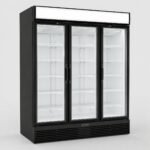 Glass Door Display Freezers