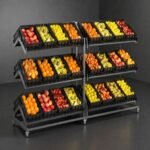
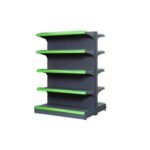
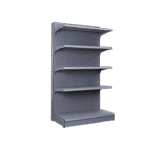
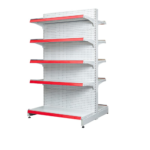
 Peg Board Wall Shelving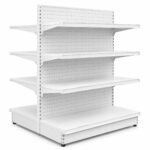
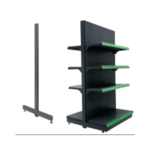 Low Gondolas
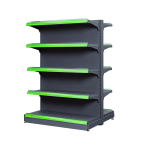
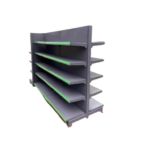 High Gondola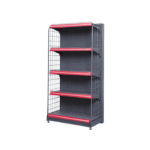
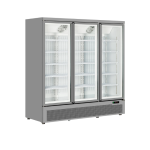
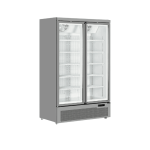
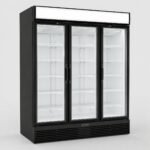
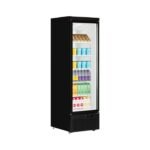 Glass Door Display Freezers
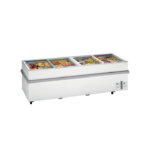 Glass Lid Chest Freezers
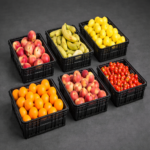
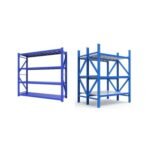
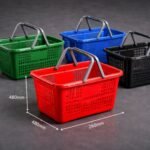
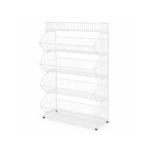
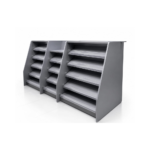
 Slatwall Hooks



Buy Store Shopping Baskets in the UK: A Complete Guide

UK retailers rely on one simple yet crucial item of equipment to help customers move smoothly through their stores: the shopping basket. Whether you run a supermarket, convenience store, pharmacy, or boutique, choosing the right baskets can affect how your customers experience your store. Discover how to choose the best grocery shopping baskets in the UK, including the top materials, sizes, durability, pricing, and where to purchase them.
Why Do Retailers Need Shopping Baskets?
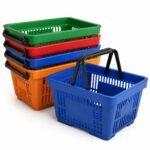
Baskets give customers a convenient way to carry a few items without having to fill up a shopping trolley. They enable customers to shop quickly, relieve traffic near the tills and encourage impulse purchases since people can grab their items on the way, rather than searching for their trolley. In smaller stores, baskets are the most common carrying option available, and they are directly tied to customer satisfaction and sales.
What Types of Shopping Baskets Are Available?
Retailers can choose between several types of baskets based on the layout of the store, product lines, and spending:
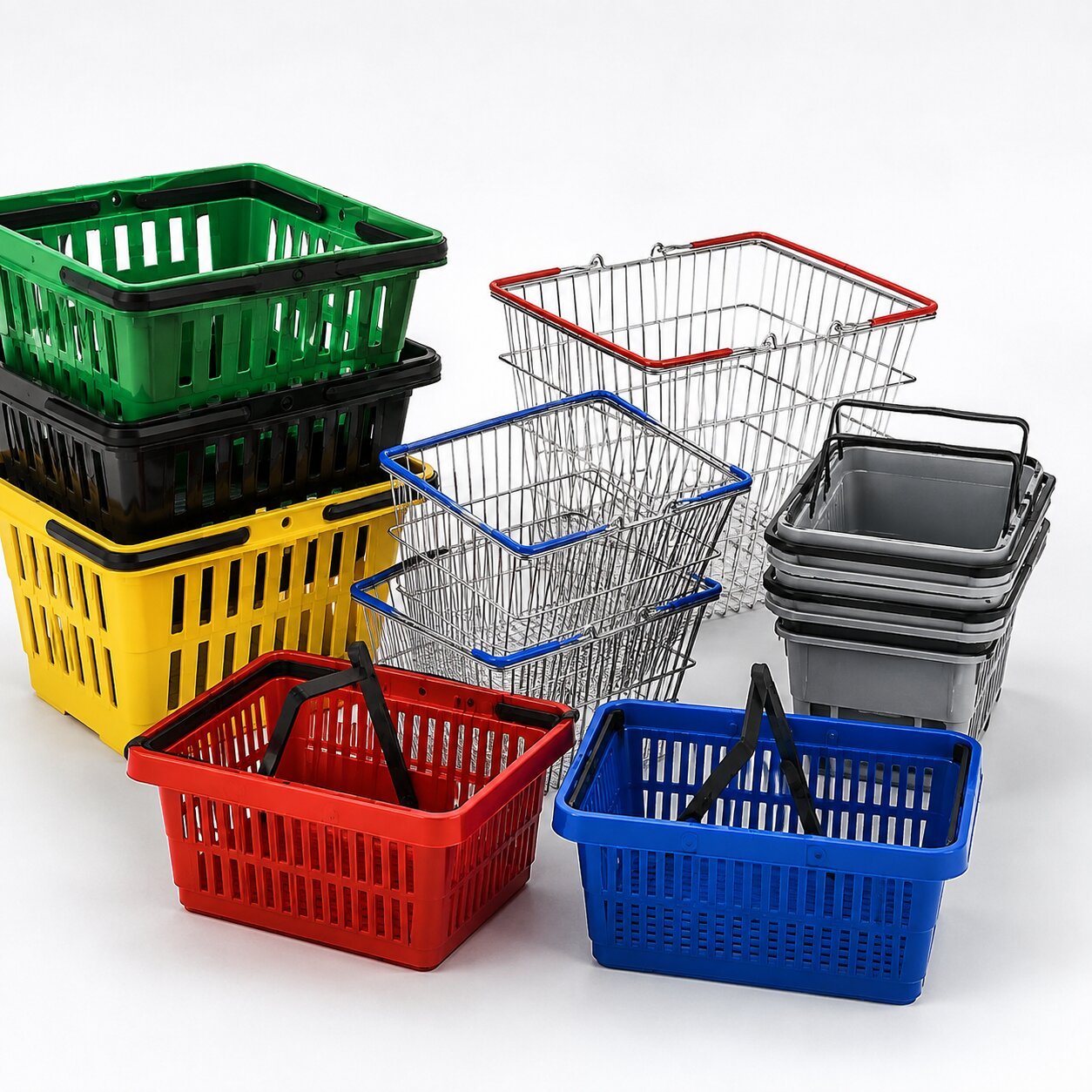
Plastic baskets – lightweight, easy to clean, and available in various colours to match your branding.
Baskets made of wire – durable and see-through. These baskets are sold in supermarkets and DIY stores.
Folding baskets are ideal for stores that have limited room for storage, because when not in use, they roll flat.
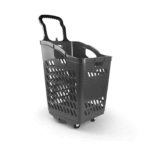
Basket-on-wheels (trolley baskets): an option for shoppers who need extra space without a full trolley.
Handheld vs double-handle baskets – single-handle baskets are ideal for carrying with one hand, but two-handle baskets are best for carrying heavier loads.
Each style is used for a different purpose, and stores may carry more than one for different occasions.
How Do I Choose the Right Basket Size?
Size of your basket depends on your store and average basket contents. Small convenience stores use small baskets (10–15 litres) because customers typically buy a few items. Larger stores that sell groceries, homeware, or bulk goods may need baskets 20–35 litres. Watch what your customers typically buy before you place orders: if baskets get overfilled often, it’s probably time to go up a size.
What Materials Are Best for Shopping Baskets?
Material choice affects durability, weight, and appearance:
The most common plastic used for baskets is polypropylene because it is light-weight, crack resistant, and easy to wipe down. Steel wire baskets are heavier but are extremely durable. They are ideal for use in busy stores. plastics are becoming increasingly popular with retailers looking to reduce their environmental footprint while still preserving strength.
For most UK retailers, polypropylene is a compromise of costs, weight, and durability.
Where Can UK Retailers Buy Shopping Baskets?
Baskets for retailers can be bought from retailers, retail equipment suppliers, wholesale shopfitting companies, or manufacturers who offer bulk pricing for large orders. Buying in bulk means a cheaper cost per basket for retailers replacing baskets in many stores. Suppliers such as Shop Solutions Midlands can work with retailers to offer baskets for different stores, from small independent shops to supermarket chains, to give shop owners a basket that suits their budget and traffic volume requirements.
How Much Do Shopping Baskets Cost?
Price is dependent upon the material, size, and number of baskets ordered. Basic plastic baskets typically start at just a few pounds per basket when ordered in bulk, while baskets with wire or handles are more expensive per piece. If you are ordering hundreds of baskets for a large store or branches, check with your supplier regarding volume discounts as units may be significantly discounted above certain order thresholds.
Are Grocery Store Shopping Baskets Different from Other Retail Baskets?
Price is dependent upon the material, size, and number of baskets ordered. Basic plastic baskets typically start at just a few pounds per basket when ordered in bulk, while baskets with wire or handles are more expensive per piece. If you are ordering hundreds of baskets for a large store or branches, check with your supplier regarding volume discounts as units may be significantly discounted above certain order thresholds.
Are Grocery Store Shopping Baskets Different from Other Retail Baskets?
Yes, but in several ways. Grocery store shopping baskets are typically built with a higher weight tolerance, since customers fill them with heavier items like canned goods, bottled drinks, and fresh produce. They also usually have reinforced handles and bases that can stand up to heavy usage throughout the day. Non-grocery stores like clothing or gift stores may use lighter baskets because the items in the basket weigh less and require less structural support.
Yes, but in several ways. Grocery store shopping baskets are typically built with a higher weight tolerance, since customers fill them with heavier items like canned goods, bottled drinks, and fresh produce. They also usually have reinforced handles and bases that can stand up to heavy usage throughout the day. Non-grocery stores like clothing or gift stores may use lighter baskets because the items in the basket weigh less and require less structural support.
What Should I Look for in a Durable Basket?
Durability also depends on the thickness of plastic or gauge of wire, the strength of the connection points for the handles, and whether the basket will crack from stacking and impact. Outdoor and cold storage baskets should be UV and temperature-resistant to prevent brittleness. Test a basket in the store before committing to a full order to avoid repeat orders.
Can Shopping Baskets Be Branded or Customized?
Many of the basket suppliers offer options for customisation, such as basket colours that complement the brand and printed or moulded logos. This can be a low-cost way to enhance brand perception throughout the shopping experience, particularly for brands with a strong visual identity, or retailers with many shops that want consistent branding across stores.
Is a Shopping Basket for Retail Store Use Different from a Household Basket?
Yes. A shopping basket for use in a store is meant for heavy-duty use — hundreds of pick-ups and put-downs each day, stacking, spills, rough handling, etc. Household baskets were designed for occasional, light-duty use and will not hold up under the wear and tear of a commercial setting. Retailers should look for baskets that are intended for business use rather than repurposing consumer-grade baskets, as this will impact both safety and cost over time.
What Are the Most Common Baskets a Store Needs?
A general rule of thumb for retailers is to stock enough baskets to supply peak-hour customers with enough empty baskets in case the baskets need to be taken off, returned to the entrance, or were washed. Smaller stores may have 20–50 baskets, larger stores may have several hundred. Watching for basket shortages during busy times such as on weekends or during promotions will help you know how full your basket stocks are.
Final Thoughts
While it may seem like a small detail, shopping baskets are important to store efficiency and customer convenience. If you choose the right size, material, and quantity of shopping baskets and source from an expert, your store can run smoothly and your customers will enjoy their shopping experience from the moment they walk in. Read more: Supermarket Shelving
 Glass Door Display Freezers