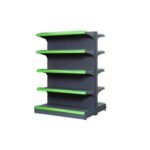
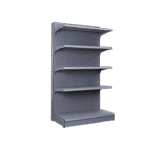
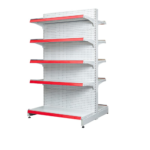
 Peg Board Wall Shelving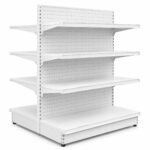
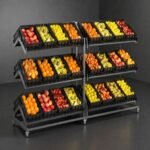
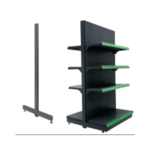 Low Gondolas
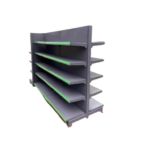 High Gondola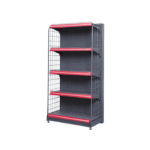
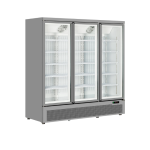
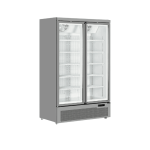
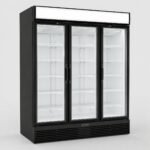
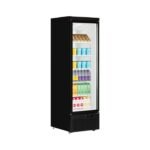 Glass Door Display Freezers
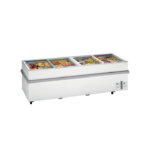 Glass Lid Chest Freezers
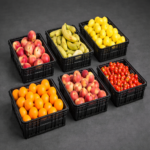
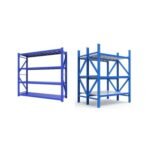
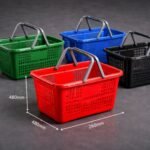
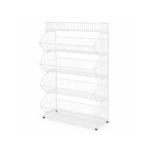
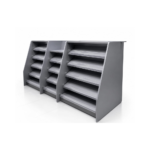
 Slatwall Hooks



Supermarket Shelving: A Complete Guide to Choosing the Right Shelving for Your Store

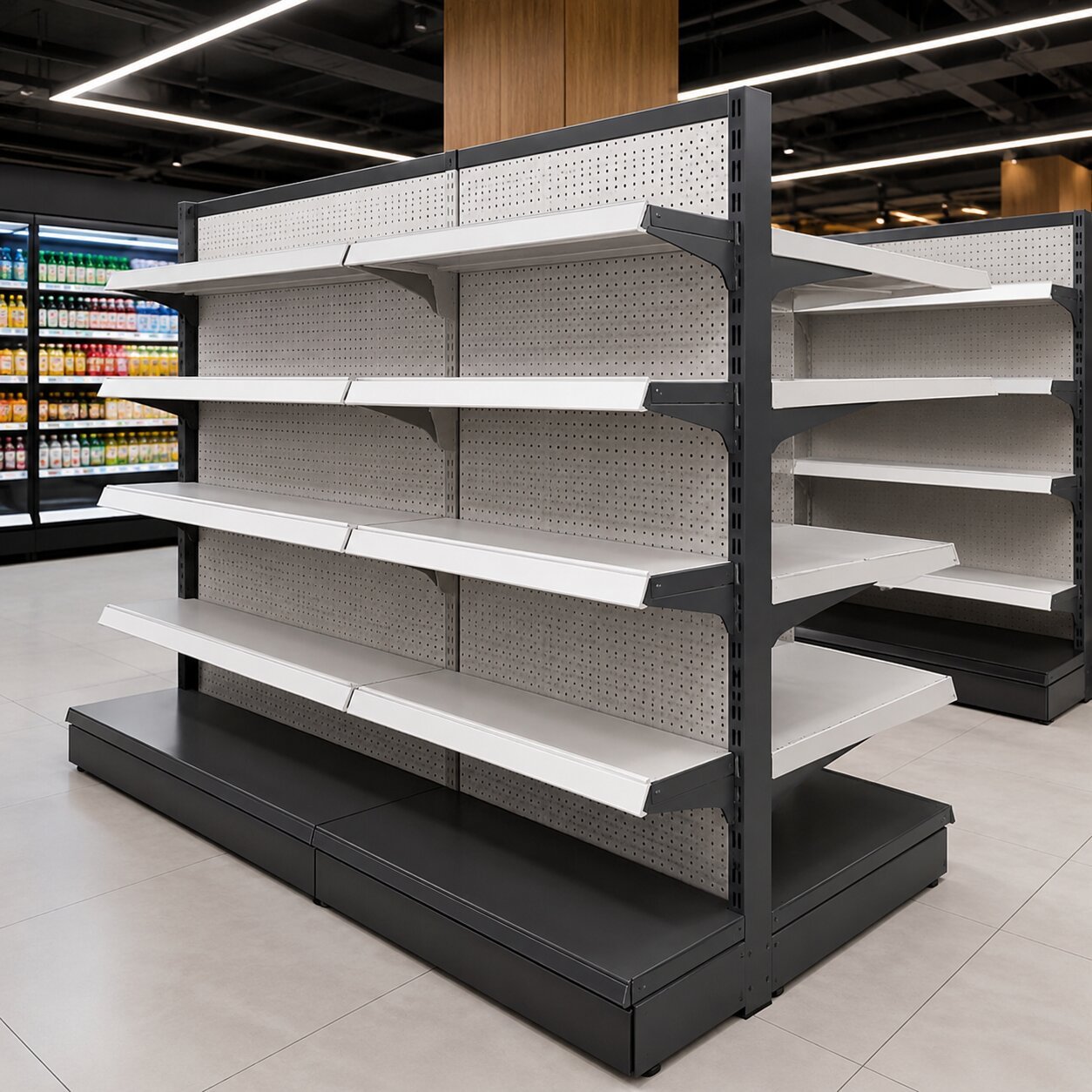
Supermarket shelving is the cornerstone of a successful retail store. It makes customers feel at ease, makes products easily available, and ultimately makes sales. Choosing the right shelves for your grocery store will not be just about keeping your items organized, but also making your shopping experience comfortable. This guide answers some of the most commonly asked questions about supermarket shelving that retailers may have about planning, upgrading, or maintaining their systems.
What Is Supermarket Shelving and Why Does It Matter?
Supermarket shelving is the structural fixture used to display and store products in a retail space, which can include gondolas, wall mounted racks, wire shelving, and adjustable shelving. Supermarket shelving affects not just product storage, but customer flow, product visibility, and store efficiency.
Well designed shelving allows shoppers to quickly find what they need, encourages impulse buying through placement, and reduces time spent restocking or reorganizing by the staff. Low-quality shelving results in cluttered aisles, damaged products, and a stressful shopping experience. For any grocery or retail store, shelving is a long-term investment in both their operation and customer satisfaction.
What Types of Supermarket Shelving Are Available?
Retailers can select from one of three basic types of shelving, each designed to meet their store layouts and specific product categories:
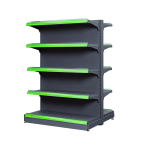
Gondola shelving — freestanding double-sided units found in center aisles and ideal for high-volume product categories such as packaged goods and snacks.
Wall shelving — fixed to the outside of the room and usually used for heavier or less frequently stocked items.
Wire shelving units — light and airy, and ideal for use in stockrooms, chillers, or in produce areas where airflow is important.
Adjustable shelves – adjustable shelves for a range of product sizes including tall cereal boxes or small spice jars.
Display racks and end caps — small, high-visibility fixtures to promote seasonal items or deals at the checkout and end of aisles.
To be exact, you may need a mixture of all three depending on your size, products, and store change frequency. Many of these types are considered shelving racking, a term used in the retail and warehouse industries to describe modular and load-bearing storage systems.
What Materials Are Used in Supermarket Shelving?
The material of shelving units can have a significant impact on how durable, whether it can hold heavy loads or whether it is suitable for different environments.
The most popular choice for heavy duty retail shelving is steel. Steel shelves do not bend easily due to their high weight capacity, they are durable for many years, and can be powder coated with a professional look. Metal supermarket shelves in general are durable and strong, and are ideal for use in gondolas or on wall shelves carrying bulk goods.
Wire shelving made from chromed or coated steel wire is lighter and better suited for areas that need more ventilation, like walk-in coolers or produce storage. While not as tough as solid steel shelving, it’s easier to clean and less likely to collect dust.
Businesses balancing budget and durability often opt to use heavy-duty steel shelving for traffic areas and light wire shelving or adjustable units for other areas. It’s worth noting that heavy-duty steel shelving is also popular outside of retail, with garage shelving uk searches showing the same durable, load-bearing shelves seen in supermarket stockrooms.
How Do You Choose the Right Shelving for Your Store?
The best supermarket shelving depends upon a variety of factors, including:
Layout and traffic flow — narrow aisles call for thinner gondolas; open-plan stores can support wider display racks.
Weighing and size — heavier items may need stronger steel racks with higher capacities, while lighter items may be stored on standard adjustable racks.
Flexibility — stores that rotate promotions may benefit from adjustable shelving shelves that can be arranged and stacked quickly and without adding any new equipment.
Durability needs — retailers with high footfall should invest in heavy-duty shelving designed to withstand daily restocking and frequent customer contact.
Budget — commercial shelving systems can cost very much, so consider the upfront cost to be compensated for expected lifespan and maintenance costs.
Retail store shelving that accommodates these factors prior to installation can save thousands of dollars in replacements and layout changes.
What Are the Benefits of Investing in Quality Shelving?
A well-designed, well-planned shelf offers more than storage value:
Clear aisles improve customer experience — it’s faster and more pleasurable to shop.
Increased product visibility — strategically placed shelves and racks can increase sales of featured products.
Reducing the risk of damage and waste — sturdy shelving prevents overflow, tipping, or collapse. Protects stock as well as shoppers.
Efficiency – adjustable and modular system configurations make restocking, layout changes, and inventory checks for staff quicker.
Long-term savings — materials like steel are durable and do not require frequent replacements.
For growing supermarkets or independent grocery stores, these advantages mean higher revenues and lower costs over time.
How Should Supermarket Shelving Be Installed and Maintained?
Installation is key for safety and shelf life. Aerated units should be fixed to walls or flooring where necessary, weight limits should never be exceeded, and shelves should be level to prevent product sliding. Many suppliers offer installation services to ensure your shelving is installed safely, particularly for taller gondolas and wall mounted shelving.
A simple reminder is to check shelves for loose connections, rust on metal, bent shelf dividers, and clean wire shelving. This will prevent dust from building up in food storage areas. A simple checklist of checking and tightening or replacing worn components monthly will prolong the life of the whole system and reduce your risk of injury.
Where Can You Buy Reliable Supermarket Shelving?
Buying supermarket shelving from an established company can make a significant difference in terms of quality, price and after-sales support. Shop Solutions Midlands is one supplier that provides a complete range of retail shelving units, from heavy-duty steel gondolas to adjustable wire shelving, along with advice on layout and installation.
Either you’re building a new store or updating existing shelves, check out supermarket shelving suppliers by material, guarantee terms, delivery times, and whether they offer custom sizing options for unique store layouts. Many companies begin their search with a general Shop Shelving search before narrowing down to suppliers who offer solutions specific to retail space. Securing a supplier who knows both the practical and aesthetic needs of the retail space will result in better shelving that enhances efficiency and sales.
Final Thoughts
Choosing the right shelf for a grocery store can make the difference between having an inviting retail space and being able to keep staff and customers productive. By knowing the best shelves for a supermarket, the retailer can make the most informed decisions about how to place them and how best to install them. Having the storage space planned out is not only a necessity, but also a critical component of maintaining a clean, safe, and efficient shopping environment.
FAQ
What is the best type of shelving for a supermarket?
How much weight can supermarket shelving hold?
 Glass Door Display Freezers