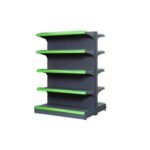
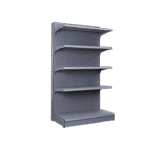
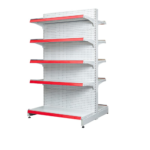
 Peg Board Wall Shelving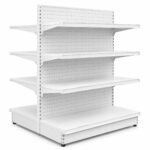
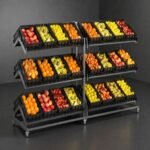
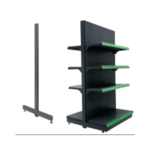 Low Gondolas
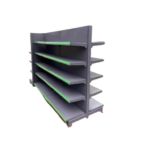 High Gondola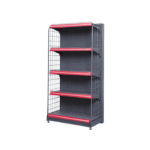
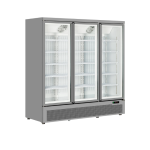
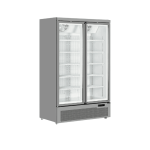
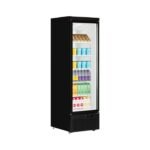 Glass Door Display Freezers
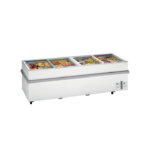 Glass Lid Chest Freezers

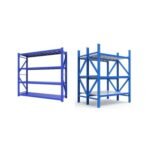

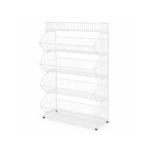
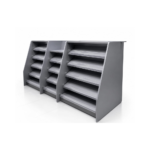
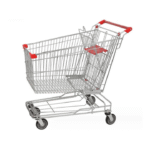
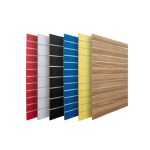
 Slatwall Hooks



Wholesale Shelf Brackets: A Simple Guide for Shops and Storage

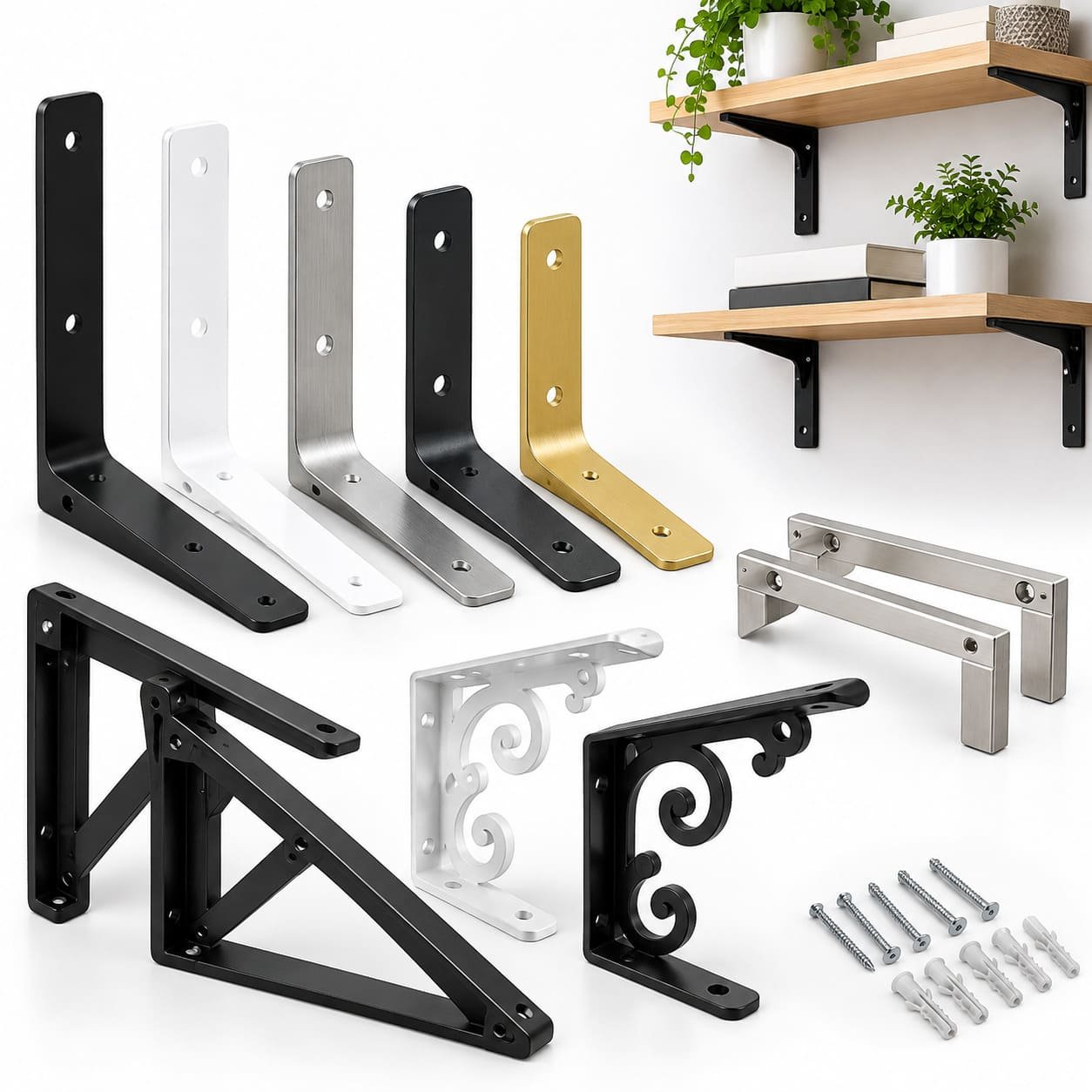
Shelves are a handy way to make better use of wall and floor space, but the shelf itself isn’t the whole story. The brackets underneath need to be strong enough to keep everything safely in place.
This matters even more in shops and stockrooms, where shelves may hold products, packaging or other items every day. The type of shelf, its size, the weight it carries and the wall it’s fixed to all need to be considered before choosing the supports.
For businesses that need several shelving units or are fitting out a larger space, buying Wholesale Shelf Brackets can also make it easier to keep the same style and specification throughout the premises.
What Are Shelf Brackets?
Shelf brackets are fittings used to support a shelf from underneath or, with some designs, from inside the shelf.
They come in different shapes, sizes and materials. Metal brackets are often used for their strength, while wooden options can suit more traditional shelving.
It’s worth remembering that a bracket’s strength isn’t the only thing that matters. The shelf, wall, fixings and spacing between brackets all have an effect on how much weight the finished shelving can safely carry.
What Types of Shelf Brackets Can You Buy?
There’s a bracket for most shelving jobs. The best option depends on how you want the shelf to look and what you plan to put on it.
L-Shaped Brackets
L-shaped brackets are a straightforward option and are widely used for wall-mounted shelves.
They sit underneath the shelf and against the wall, providing support at a right angle. They’re available in different sizes and finishes, with metal versions being a common choice for commercial and general storage.
Floating Shelf Brackets
Want a cleaner look? Floating brackets hide most of the supporting hardware inside the shelf.
Once fitted, you don’t see the usual brackets underneath, giving the shelf a more streamlined appearance. They’re often used for displays, offices and modern interiors where visible fittings aren’t wanted.
Adjustable Shelf Brackets
Adjustable brackets are useful when your storage needs aren’t always the same.
For example, a shop might need more space between shelves for larger products at one point and less space when displaying smaller items. An adjustable system makes those changes much easier without having to start again.
Heavy-Duty Brackets
Some shelves have a tougher job to do than others.
If you’re storing heavier stock, tools, boxes or equipment, heavy-duty shelf brackets may be more suitable. Steel supports are commonly used for these applications, but always check the manufacturer’s load rating and installation requirements.
How Do You Choose Shelf Brackets?
Before ordering, think about what the shelf will actually be used for. A small display shelf and a stockroom shelf don’t have the same requirements.
Start With the Shelf
Measure the length, depth and thickness of the shelf. Its material matters too.
A long wooden shelf carrying heavy products may need more support than a short shelf holding lightweight items.
Work Out the Load
Think about the combined weight of everything that could be placed on the shelf.
Don’t just consider what you’ll put there today. If the shelving is being used in a shop or stockroom, the contents can change over time.
Check the bracket’s load rating and make sure the complete shelving setup is suitable for the expected weight.
Check the Wall
This is an easy detail to overlook.
Brick, concrete, timber and plasterboard need different types of fixings. The bracket might be perfectly strong, but poor fixing can still cause problems.
If you’re installing heavy shelving, make sure the fixing method is suitable for both the wall and the load.
Think About the Finish
If the shelf is in a customer-facing area, looks matter too.
A simple metal bracket can work well with an industrial-style display, while concealed supports give a cleaner appearance. There’s no need to sacrifice practicality for appearance when there are plenty of options available.
Where Are Shelf Brackets Used?
Shelf brackets can be used in all sorts of places.
In retail, they’re useful for product displays and wall shelving. In stockrooms, they can provide extra storage without taking up valuable floor space.
They’re also commonly used in:
- Offices
- Workshops
- Garages
- Kitchens
- Utility rooms
- Warehouses
- Commercial storage areas
For businesses working on a wider shop-fitting project, Shop Solutions Midlands provides shelving and shop display equipment that can be used alongside suitable shelving components.
How Many Brackets Does a Shelf Need?
There’s no fixed number that works for every shelf.
A short shelf carrying a few lightweight items may only need two brackets. A longer shelf, particularly one holding heavier stock, may need additional supports.
The shelf material, length, depth and expected load all make a difference. Bracket spacing should also follow the manufacturer’s recommendations.
If you’re unsure, it’s better to check the specifications before installation rather than find out later that the shelf needs more support.
Why Is Bracket Spacing Important?
Imagine putting a heavy box in the middle of a long shelf with support only at each end. The unsupported section has to carry more of the load, which can lead to bending over time.
Adding suitable support points helps spread the weight.
That’s why longer commercial shelving often needs more careful planning than a small shelf at home. The aim is to create a stable setup that can cope with normal day-to-day use.
Shelf Brackets for Retail Shelving
Retail shelving has to deal with regular use. Products get moved, displays change and stock is constantly being added and removed.
Good shelf supports can help keep displays stable while making better use of available wall space.
For a shop, you may also want the brackets to fit in with the overall appearance of the shelving. In a stockroom, strength and durability may be the bigger priorities.
It all comes down to where the shelving is going and what it needs to hold.
What Should You Check Before Buying?
Before placing an order, have a quick look at:
- Shelf length and depth
- Shelf material and thickness
- Weight of the products or items
- Bracket load rating
- Wall type
- Suitable fixings
- Number of brackets required
- Bracket spacing
- Finish and appearance
- Whether fixed or adjustable supports are needed
Taking a few measurements beforehand can save you time, money and a lot of unnecessary drilling.

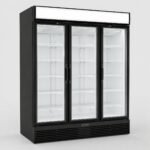 Glass Door Display Freezers