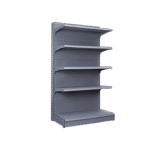
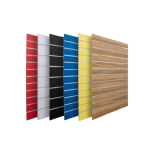
 Peg Board Wall Shelving
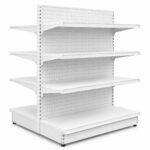
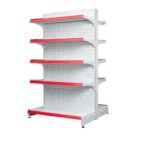
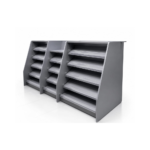
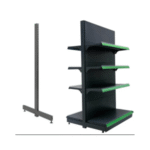 Low Gondolas
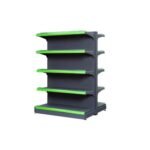
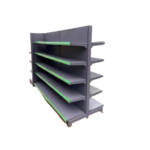 High Gondola
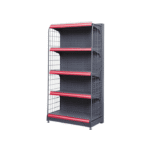
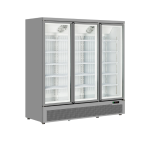
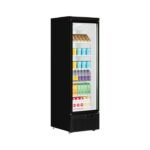 Glass Door Display Freezers
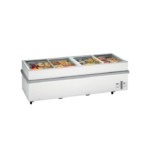 Glass Lid Chest Freezers
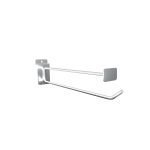 Slatwall Hooks




Looking to Buy a Counter for Your Shop in the UK? Explore the Best Options

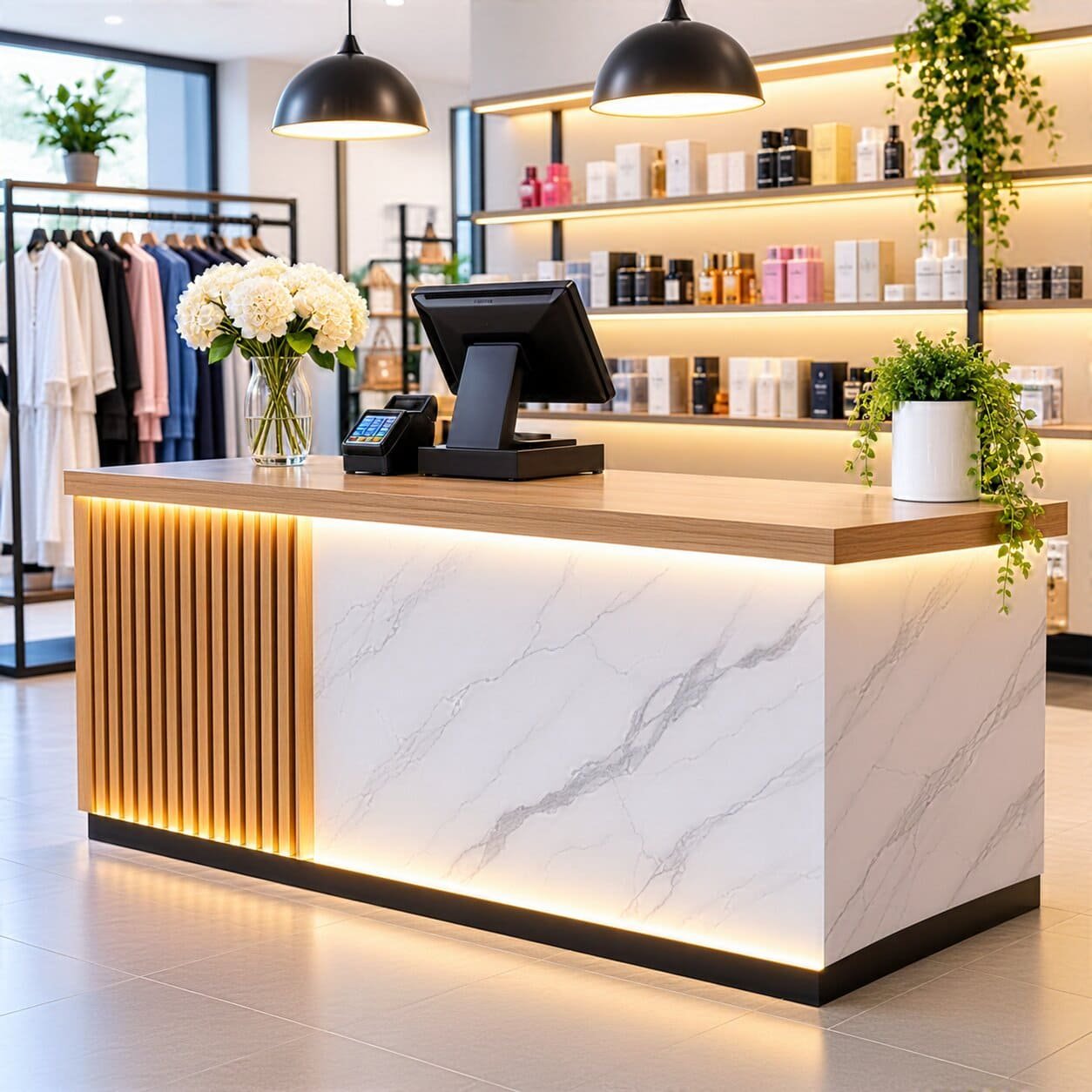
The decision of opening your shop involves many, many options. Choosing the right counter is one of them. It’s where customers pay for their purchases, ask questions, and interact with your staff. Your shop counter should look attractive, have enough space, and make everyday tasks easier.
If you’re opening a new convenience store, upgrading a clothing shop or improving an existing store, you need the right shop counter. There are lots of shop counters in the UK, from simple checkout units to display counters and larger service desks.
Now, which one of these two is right for you? Depending on how big your shop is, the products you sell, and how you serve your customers, you’ll need to decide.
Why It’s Important to Find the Right Counter for Your Shop?
A shop counter is one of the main features of your retail space. Customers often visit it when they are ready to buy something. As a result, it needs to be practical and easy to use.
Consider the normal tasks staff carry out in the store during the working day. They need room for payment machines, cash registers, shopping bags and receipts. They also need somewhere to store the everyday supplies without leaving the counter messy.
An attractive retail counter adds a finishing touch to your shop. You have a designated check-out area, the important items are easily accessible, and your shop looks more professional.
Even better, a small store can feel more organised when it is equipped with a counter. Instead of taking up space on the floor with furniture that you don’t need, choose one that sits naturally in the space.
Different Types of Shop Counters to Consider
No one type of business needs the same kind of counter. A small convenience store may need a different type of counter than a jewellery shop or a large supermarket. Here are some of the popular choices.
1. Checkout Counters
Checkout counters are a common feature in supermarkets, grocery stores, convenience stores and general retailers. They allow customers to pay easily.
Most make space for a till, card machine, barcode scanner and shopping bags. Some feature drawers and cupboards to store receipts, stationery and other everyday items.
If you have a regular business of customers, then placing a useful checkout counter can help keep your shop’s payment area organized and serve customers easier.
2. Glass Display Counters
If you sell smaller and more expensive items, then a glass display counter could be the solution to your problem. These counters are used most often in jewellery shops, mobile phone stores, gift shops and specialist retail businesses.
The glass panels provide a clear view of the products and protect them. You can also use the display space to highlight the products you are showing and grab the attention of potential customers.
The bag may have locks to store products that must be secured.
3. Service Counters
Not all counters need to accept payments. Some businesses need a separate area where customers can ask questions, place orders or request assistance.
Service counters are a great addition to pharmacies, salons, repair shops and independently owned shops. They offer an easy working environment for staff and a clear point of contact for customers.
Look for a design with enough surface area and storage options so that you can get the job done.
4. Corner and L-Shaped Counters
Running a small business? Making the most out of your retail space is probably one of your biggest concerns.
Corner and L-shaped counters can help with this. The corners can be a useful space for payments or customer service.
They are very popular in small, specialty stores and small independent shops where every square inch of floor space counts.
How to Find the Right Counter for Your Shop
Once you’ve explored the different styles, think about what your business actually needs. While that counter might look great in a photo, that doesn’t mean it’ll work in your shop!
Start by Measuring Your Space
Before you buy any products, measure the area where you want to place the counter, checking its width, height and depth, and think about how much room the customers and staff will need.
You don’t want a counter that blocks walkways or makes it difficult for customers to browse nearby products. Small shops may be well served by a small check-out unit. But larger shops will likely have more room for a broader counter or more work surfaces.
Think About Everyday Storage
A cluttered checkout is a bad thing. It will slow your staff down. Consider storage when you make the decision to organize your space.
Drawers and cupboards are handy for storing bags, receipts, stationery and other materials out of sight. If your employees use several payment devices, make sure there’s enough room to store everything.
The things that are put away are great for making your life easier!
Choose Materials That Last
Normally your shop counter is used throughout the day, so it should be able to handle the regular activity. MDF or laminated surfaces are popular options because they come in a variety of styles and are fairly easy to keep clean. Wood effect finishes create a warmer look, and glass is good for product displays. Metal can give it more support.
Check your budget, shop decor and cleaning requirements before making a decision.
Match Your Existing Shop Furniture
Your new counter shouldn’t look out of place. The counter should sit next to existing shelving, display stands and other retail furniture.
For example, a modern clothing store might look best with a simple counter and clean finish. A traditional gift shop would look best with warmer wood.
The consistency of your shop fittings can make the entire space feel more welcoming and professional.
Which Counter Works Best for Different Shops?
The best answer is dependent on the type of business you run.
- Convenience stores: Small checkout counters with storage.
- Supermarkets: Larger check-out areas, with room for pay-back devices.
- Clothing shops: Modern retail counters with a clean and simple finish.
- Jewellery shops: Glass displays for expensive products.
- Pharmacies: Service counters, and sorted storage.
- Gift shops: Display counters that help showcase smaller products.
- Mobile phone shops: Storerooms with displays of electronic accessories and devices.
These are not complete guidelines. Take your products, your flow of business, and available space into account when designing your retail area.
Important Things to Check Before Buying
Pretend that a counter looks nice, but don’t overlook the details. Make sure to check out its specifications before you place your order.
Check the size of the worktop will fit into your shop, and is there room for your machinery. Check for storage spaces, the quality of the materials and whether the surface is easy to clean.
Consider the delivery schedule, assembly instructions and installing options. You will save time and money by obtaining these information before purchase.
If you’re renovating your shop, think about your counter alongside the other accessories rather than buying everything separately without a plan.
Create a Better Shopping Environment with the Right Shop Fittings
You need a shop counter that is convenient and looks good, can be stored and fits well into the shop. Also consider other fixtures used adjacent to your counter when you plan your shop layout. Gondola shelves, wall-mounted shelves, display units and storage space all add to the appearance and performance of your shop.
Shop Solutions Midlands provides shop shelving and shop fitting solutions for retail outlets looking to create a practical, organised space in the shop.
Consider your space, what features you need and whether the counter will go well with your existing furniture. There is no such thing as the best shop counter that is the biggest and most expensive. The best shop counter is the one that works for you, makes life easier and gives all of your customers a pleasant experience.