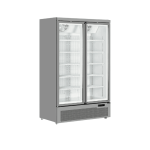
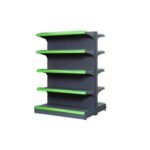
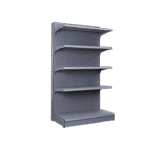
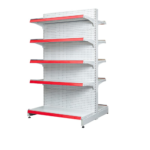
 Peg Board Wall Shelving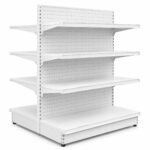
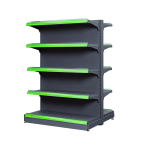
 Low Gondolas
 High Gondola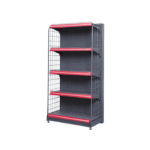
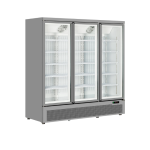
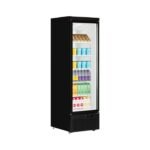 Glass Door Display Freezers
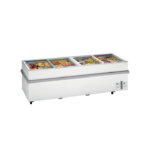 Glass Lid Chest Freezers

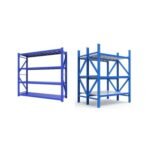

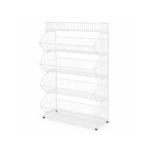
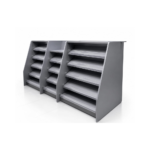


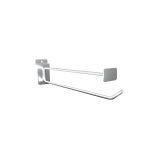 Slatwall Hooks



The Ultimate Guide to Warehouse Racking Systems UK: Types, Safety, and Design Optimization

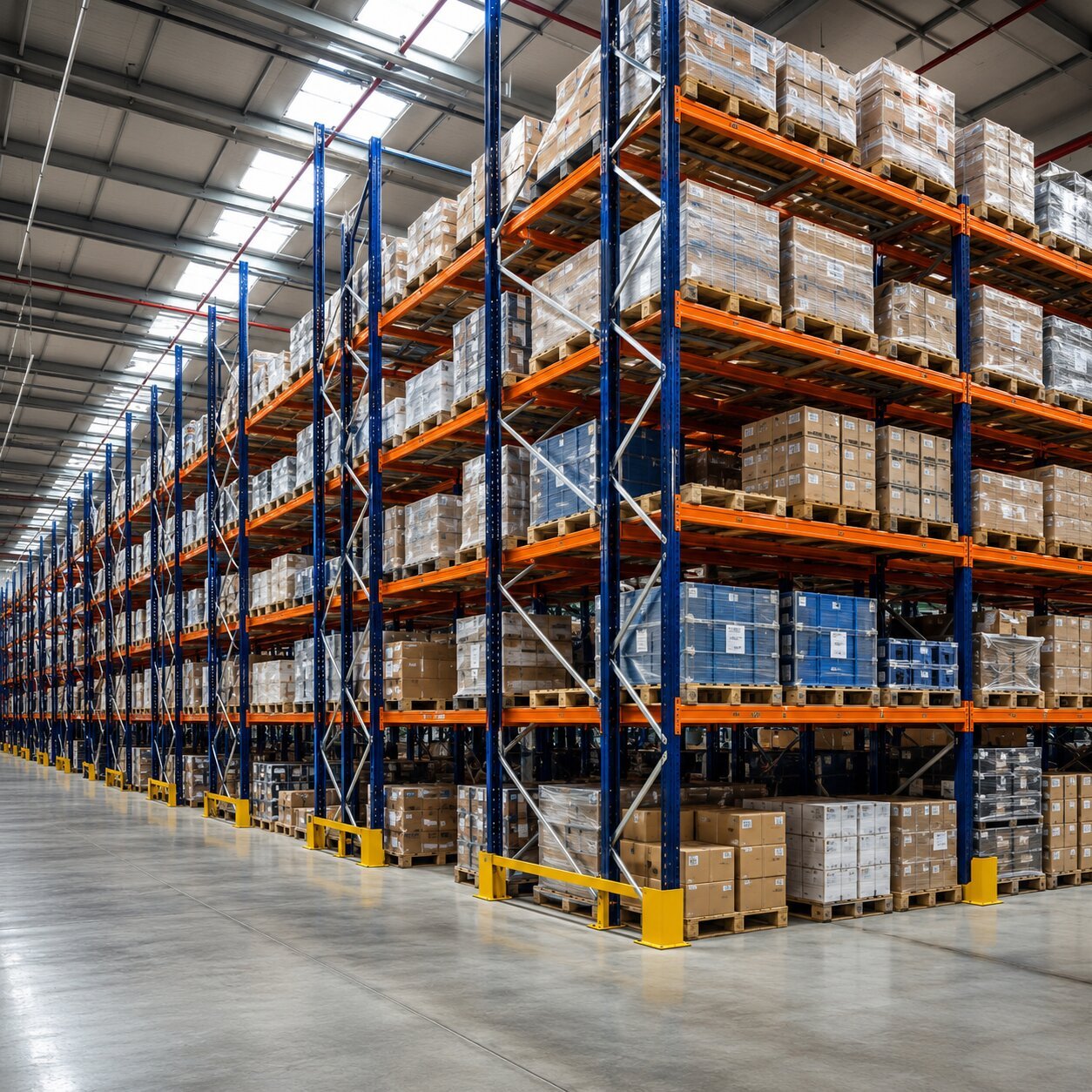
With small or large sizes of storage, every UK warehouse needs to get its racking setup right. Why stack pallets higher? It’s about safety, space planning, and continuity of operation. This guide tells you everything you need to know about choosing, installing, or upgrading racking in the UK.
What Are Warehouse Racking Systems and Why Do UK Businesses Need Them?
Warehouse racking is a set of storage systems designed to store palletised or boxed products in a vertical layout. By using the vertical space available rather than stacking all inventory on the floor, businesses can increase stock turnover and complete orders more quickly with the racking.
Key Benefits of High-Density Industrial Racking
Storage space increases without increasing building size. It reduces product wear, makes it easier to view inventory, and accelerates picking, which all decreases operating costs.
How Proper Racking Improves Warehouse Safety and Efficiency
Poorly designed or overloaded racking is one of the biggest causes of warehouse accidents in the UK. Racking chosen correctly to load and traffic volume can reduce the risk of collisions, collapse, and HSE compliance.
Types of Warehouse Racking Systems in the UK
Choosing the right racking type depends on your stock profile, turnover speed, and available floor space.
- Selective Pallet Racking — the most common option, offering direct access to every pallet.
- Drive-In & Drive-Through Racking — built for high-density storage where SKU variety is low.
- Cantilever Racking — suited to long, bulky, or irregular materials like timber and piping.
- Multi-Tier & Mezzanine Racking — ideal for maximising vertical space in smaller units.
| Racking Type | Storage Density | Access Speed |
| Selective Pallet Racking | Medium | Fast |
| Drive-In / Drive-Through | High | Slow |
| Cantilever Racking | Low–Medium | Medium |
| Multi-Tier / Mezzanine | High | Medium |
Key Factors to Consider When Choosing Warehouse Racking in the UK
Weight Capacity and Load Distribution Rules
Every rack bay is rated to hold a certain load. Overloading the beams or uneven loading on the shelves are common non-conformance omissions when inspections are conducted.
Warehouse Ceiling Height and Floor Load Capacity
Vertical storage only works if your building can support it. Check floor load ratings and ceiling clearance before deciding the height of the rack.
Forklift Compatibility and Aisle Width Planning
Aisle width directly affects which racking type you can use. Wide aisle racking increases density but requires a certain type of forklift.
UK Safety Regulations and Compliance for Warehouse Racking Systems
Warehouse racking in the UK must meet SEMA and HSE standards. Non-conformity may put staff at risk and result in enforcement action.
SEMA (Storage Equipment Manufacturers’ Association) Guidelines
SEMA is the UK’s leading voluntary body and specifies the best practice in racking design, loading marking and inspection of pallet racking.
HSE (Health and Safety Executive) Inspection Checklist
As part of standard safety procedures at a warehouse, the HSE requires visible damage checks, load notice checking and inspection records.
How Often Should You Schedule Racking Safety Audits?
SEMA recommends checking rackings once every 12 months and visual checks by trained warehouse staff at the storage facility.
Why Choose Shop Solutions Midlands for Industrial Storage Systems?
If you’re installing a new rack or renovating an existing setup, it pays to work with a specialist. Shop Solutions Midlands designs and supplies commercial and industrial racking solutions that respond to real-world warehouse operations, not generic templates.
Custom Layout Planning and Spatial Optimization
In general, every floor plan in your warehouse will vary and it is important that Shop Solutions Midlands takes into account your available space, the type of stock you have and the quantity of stock you are looking to move.
Durable and Compliant Commercial Shelving Solutions Across the UK
From racking for selective pallets to storage solutions for heavy loads, they all meet UK safety standards. Explore their full range of options here: Best Storage Racks in the UK
Final Thoughts: Upgrading Your UK Industrial Warehouse Storage
We make sure that when you invest in the right warehouse rack system UKSetup, you have a better use of space, safer working conditions, and easier working. The sooner you start working out how to set up a new warehouse or renovate an existing one, the less stress you’ll suffer in the long run! Shop Solutions Midlands can provide insight into the best racking for UK Businesses looking to improve their storage.

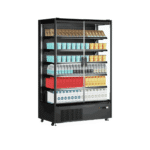
 Glass Door Display Freezers